Nepal Flash Floods: Death Toll 1,243, Nepal Demands Climate Justice
Nepal-Tibet flood death toll reaches 1,243; Nepal seeks climate justice from major polluters.
advertisement
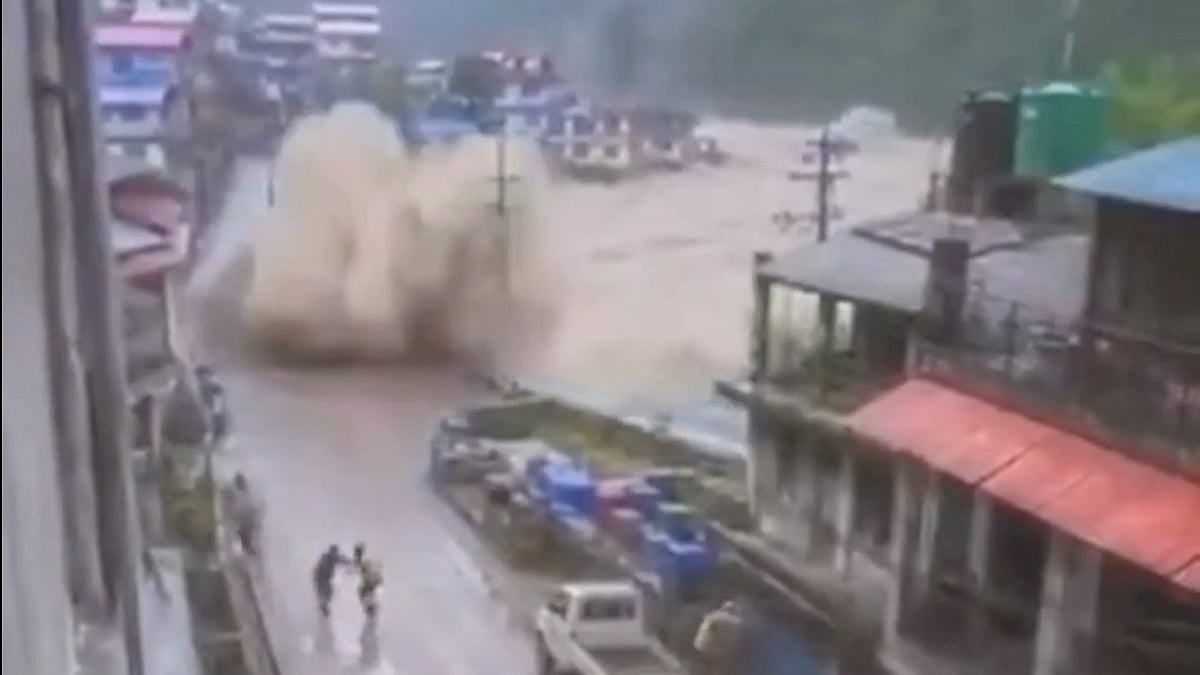
The death toll from the Nepal-Tibet flash floods has reached 1,243, with thousands still missing and extensive damage reported across multiple districts. The disaster, triggered by a massive glacial collapse on 26 August 2026, swept away homes, infrastructure, and left entire communities isolated. Rescue operations continue as authorities coordinate with neighbouring countries to evacuate stranded nationals and provide humanitarian assistance.
According to The Hindu, Prime Minister Balendra Shah has directly linked the disaster to climate change and called for the issue to be raised with the international community. Nepalese officials report that over 4,000 people remain missing, including foreign nationals, and that efforts are underway to rebuild early-warning systems along the border with China.
As reported by The Guardian, families of missing persons, including Australians and Nepalese, have expressed frustration over the slow pace of rescue and lack of information. Hospitals in Kathmandu are overwhelmed, and temporary burial sites have been established to manage the rising number of casualties. DNA collection is ongoing to assist with identification.
Local authorities are also dealing with the anguish of families from Maharashtra’s Thane district, where 10 pilgrims remain untraceable after the floods. Coverage revealed that communication blackouts and destroyed infrastructure have hampered search efforts, with relatives appealing for urgent intervention.
As noted in an article by The Indian Express, Prime Minister Balendra Shah addressed Parliament, stating that Nepal is a victim of global warming and carbon emissions from industrialised nations. He emphasised the need for justice and international support for rehabilitation and reconstruction, highlighting the disproportionate impact on mountain communities. Shah stated, “There is a global contribution behind climate change. And the responsibility to manage and minimise its effects also rests on the global community.”
Scientific consensus supports the link between rising global temperatures and the increased frequency of extreme weather events. Analysis showed that fossil fuel emissions are a primary driver of climate change, with recent reports from the National Academies of Sciences and the United Nations Environment Programme warning that the 1.5°C warming threshold is likely to be breached, resulting in more severe disasters.
“The pace of change is so rapid that current efforts are struggling to keep up,” said Mohammed Farooq Azam, senior cryosphere specialist at the International Centre for Integrated Mountain Development, as cited in recent coverage.
Regional experts have called for enhanced cross-border cooperation and improved monitoring of glaciers and steep mountain slopes. Reporting indicated that the disaster underscores the urgent need for a coordinated Himalayan cryosphere strategy, including early warning systems and data sharing among countries in the region.
International aid has begun to arrive, with India delivering medical supplies and Australia pledging additional humanitarian support. However, recent findings highlight that local governments often face barriers in accessing direct climate finance, limiting their ability to implement resilience measures and disaster response initiatives.
Calls for climate justice have intensified, with Nepal’s leadership urging major polluting nations to take responsibility for their emissions and provide adequate support for vulnerable countries facing the consequences of global warming. The international community’s response to Nepal’s appeal is being closely watched as the country continues to recover from one of its deadliest natural disasters in recent history as details emerged.
Note: This article is produced using AI-assisted tools and is based on publicly available information. It has been reviewed by The Quint's editorial team before publishing.