Heavy Rains Intensify Floods, Landslides Across Nepal, Bordering Indian States
Authorities have issued high alerts and initiated large-scale evacuations to safeguard affected populations.
advertisement
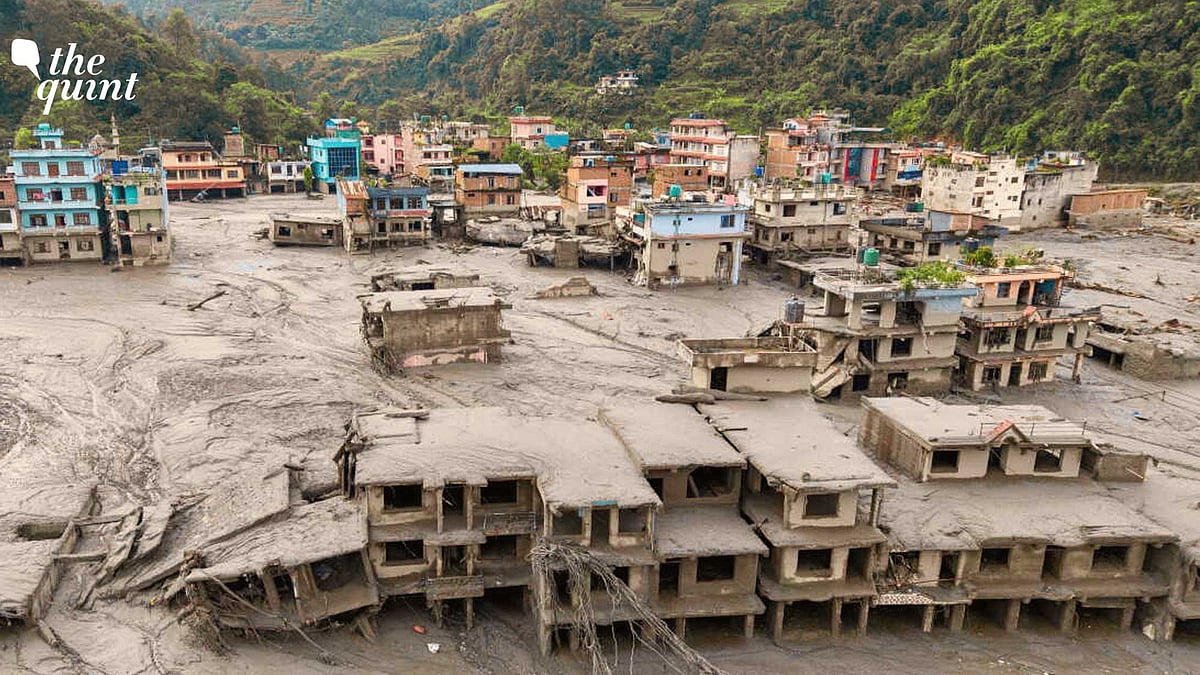
Heavy rainfall in Nepal and its adjoining catchment areas has led to severe flooding and landslides, resulting in the displacement of thousands of people in bordering Indian states.
The continuous release of water from upstream barrages has caused rivers to overflow, inundating villages and damaging property in regions such as Bihar and Uttar Pradesh.
Authorities have issued high alerts and initiated large-scale evacuations to safeguard affected populations.
According to Hindustan Times, incessant rainfall in Nepal’s hilly regions and the subsequent release of water from the Valmikinagar barrage forced over 2,000 villagers in Bihar’s West Champaran district to relocate to safer areas.
The Gandak river, swollen by upstream flows, entered residential zones, prompting emergency measures by local authorities.
As highlighted by The Hindu, Bihar Chief Minister Samrat Choudhary emphasized the importance of coordinated action between state and central agencies to manage border security and disaster response.
During a high-level review meeting, he directed officials to maintain vigilance against illegal activities and ensure prompt action in the event of natural disasters along the India-Nepal border.
Evacuation efforts have been intensified following reports of rising water levels and landslides in low-lying areas. In Uttar Pradesh, district administrations have been placed on alert, and relief agencies have been mobilised to assist affected communities.
The state government has also ordered the closure of schools in vulnerable districts and issued advisories to minimise travel during adverse weather conditions.
In Odisha, more than 70,000 people were evacuated as rivers swelled due to heavy rainfall, with multiple districts experiencing flash floods and waterlogging as coverage revealed.
Rescue operations involved teams from ODRAF, NDRF, and Fire Services, who were deployed to manage relief camps and provide emergency assistance. Several bridges and culverts were damaged, further complicating access to affected regions.
“The SSB, Bihar Police, and central agencies must work in coordination to ensure effective control over any form of illegal activity in the border region,” Bihar Chief Minister Samrat Choudhary stated during the review meeting.
Floodwaters from Nepal have also impacted agricultural activities, with standing crops in Bihar and Uttar Pradesh suffering significant damage as analysis showed.
Farmers have expressed concerns about delays in the upcoming Rabi season due to waterlogged fields, while officials continue to monitor the situation for further risks of flash floods and landslides.
Administrative measures have included regular coordination meetings between district magistrates, police officials, and central security agencies to strengthen disaster preparedness as reporting indicated.
The focus remains on information sharing, intelligence gathering, and rapid response to any suspicious or emergency activity in the sensitive border areas.
Efforts to mitigate the impact of floods and landslides continue, with authorities urging residents in floodplains and low-lying regions to remain alert as details emerge.
Relief camps have been established, and additional sluice gates have been opened at major dams to manage excess water flow and reduce the risk of further inundation.
“Ensure effective action against drug trafficking to curb the movement of narcotics across the border,” Chief Minister Choudhary instructed, highlighting the broader security and humanitarian challenges posed by the ongoing floods.
Note: This article is produced using AI-assisted tools and is based on publicly available information. It has been reviewed by The Quint's editorial team before publishing.