Karnataka CM Links Voting Rights To Access Of Government Benefits
Karnataka SIR Update Begins; DK Shivakumar Warns Non-Participation May Affect Govt Schemes
advertisement
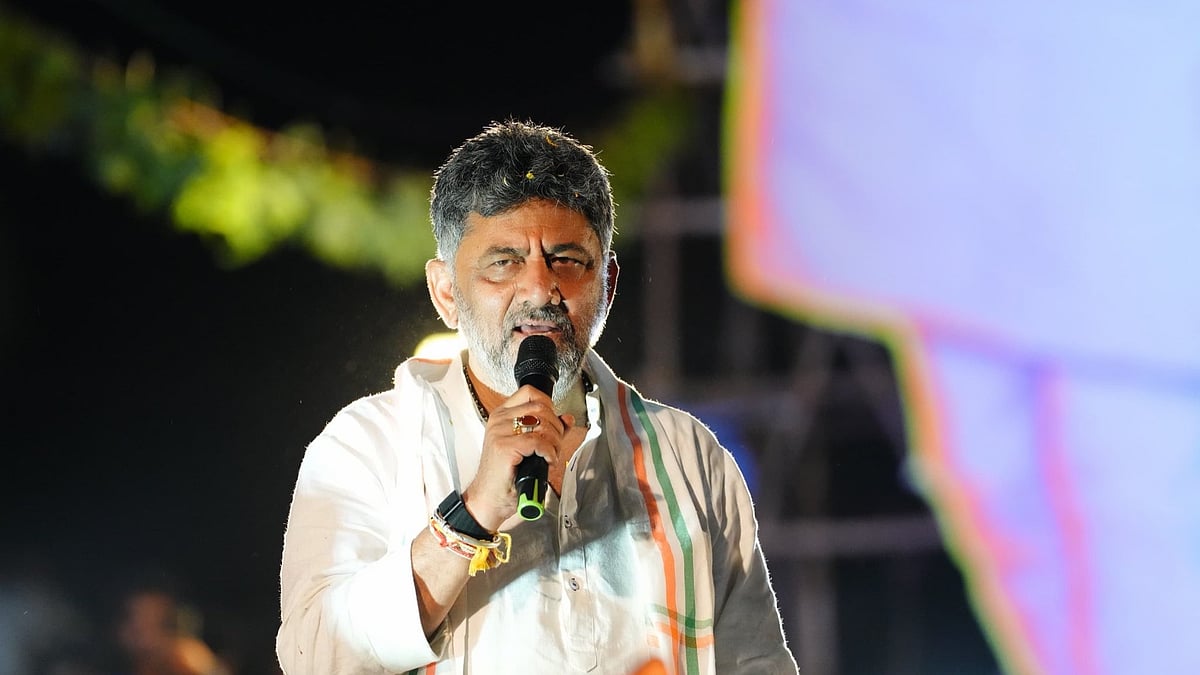
Karnataka has commenced the Special Intensive Revision (SIR) of its electoral rolls, with Chief Minister DK Shivakumar personally submitting his enumeration form and urging all eligible residents to participate. The state government has implemented measures to facilitate the process, including assistance for updating mobile numbers linked to voter registration and options for both online and offline form submission. Booth Level Officers (BLOs) are distributing forms to households, aiming to ensure accuracy and inclusivity in the updated electoral rolls.
As reported by Hindustan Times, DK Shivakumar emphasised the importance of safeguarding voting rights, stating that failure to update electoral records could result in difficulties accessing government schemes and services in the future. He highlighted that proof of residence is mandatory for first-time voters and that the state has arranged for the issuance of necessary documents to prevent inconvenience during verification.
State officials clarified that BLOs will only distribute and collect enumeration forms during the month-long exercise, without collecting documentary proof at this stage. Coverage revealed that forms are available in Kannada, but can be completed in either Kannada or English, and one family member may submit forms on behalf of the entire household.
Chief Minister DK Shivakumar addressed concerns about digital literacy, noting that those unfamiliar with smartphones or the ECINet app can complete the process offline with assistance from BLOs. He reiterated, “Everyone should safeguard their voting rights. If they fail to do so, they may find it difficult to access government schemes and services in future.”
State Home Minister Priyank Kharge stated that the Congress supports an accurate electoral roll but raised questions about the Election Commission’s handling of the process. Reporting indicated that the Congress submitted 12 questions to the Election Commission regarding the SIR exercise and requested a three-month extension for form submission, as well as assurances that no voter would be removed without due process.
House-to-house enumeration is scheduled to continue until 29 July. The draft electoral rolls will be published on 5 August, with claims and objections accepted until 4 September. The final electoral rolls are set to be notified on 7 October after the resolution of objections as the timeline confirms.
Note: This article is produced using AI-assisted tools and is based on publicly available information. It has been reviewed by The Quint's editorial team before publishing.