Nearly 9 Lakh Voters Removed In Kerala After SIR Revision
Nearly 9 lakh voters removed from Kerala’s rolls after SIR, with further scrutiny ongoing.
advertisement
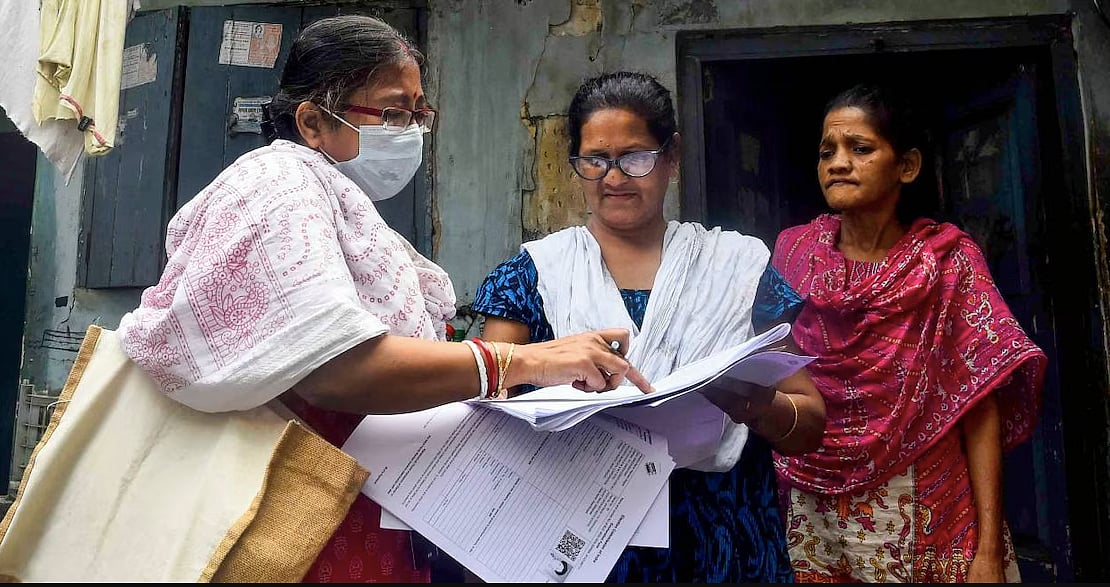
Kerala’s Special Intensive Revision (SIR) of electoral rolls has resulted in the removal of approximately 9 lakh voters from the state’s draft list. The process, which involves door-to-door verification and document scrutiny, is part of a nationwide effort to update and purify electoral rolls ahead of upcoming elections. The deletions in Kerala include both confirmed removals and those flagged for further verification, with the final rolls scheduled for publication on 28 February 2026.
According to Hindustan Times, the draft roll in Kerala removed 420,000 voters outright, while an additional 880,000 were flagged under the “logical discrepancy” category. These discrepancies typically involve issues such as duplicate entries, deceased voters, or those who have shifted residence, requiring further hearings and document checks before a final decision is made.
As reported by The Indian Express, the SIR process is being conducted across multiple states and union territories, but Kerala’s figures are among the highest in terms of both deletions and flagged cases. The Election Commission of India has directed state officials to complete all preparatory and verification work promptly to ensure the accuracy of the final electoral rolls.
In Kerala, the SIR process has included extensive fieldwork by booth-level officers, who are responsible for verifying voter details and collecting supporting documents. Coverage revealed that similar processes in other states have led to significant numbers of voters being removed, with Kerala’s approach closely mirroring these national trends.
“In Kerala, the draft roll removed 420,000 and another 880,000 were flagged for ‘logical discrepancy’. The final rolls are set to be published on February 28,” an Election Commission official stated.
Midway through the revision, officials encountered challenges related to document verification and public outreach. Following reports, the Kerala government has also been involved in legal proceedings concerning public surveys and outreach programmes, though these are separate from the SIR process itself.
The SIR exercise in Kerala is part of a broader national effort, with the Election Commission aiming to maintain the integrity of the electoral process. Analysis showed that similar revisions in other states have faced hurdles such as delays in document uploads and verification, which could potentially affect the final count of eligible voters.
In the context of Kerala, the removal of nearly 9 lakh voters represents a significant update to the state’s electoral database. The Election Commission has stated that those whose names have been removed or flagged will have the opportunity to appeal and submit additional documentation before the final list is published. The process is designed to ensure that only eligible voters remain on the rolls, while providing avenues for redress in case of errors.
“If a person’s name was there in the draft roll, but doesn’t appear in the final roll, he may appeal to the District Election Officer and then to the CEO,” a senior official explained.
At the end of the revision, the final electoral roll for Kerala will reflect the outcome of this extensive verification process. The Election Commission has emphasised that the SIR is a routine but essential exercise to uphold the accuracy and credibility of India’s electoral system as details emerged.
Note: This article is produced using AI-assisted tools and is based on publicly available information. It has been reviewed by The Quint's editorial team before publishing.