India Bans Over-the-Counter Sale of Cough Syrups Nationwide
The change was prompted by incidents of child deaths, where contaminated cough syrups were linked to organ failure
advertisement
The Government of India has implemented a nationwide ban on the over-the-counter sale of all cough syrups. Effective immediately, pharmacies are now required to dispense cough syrups only upon presentation of a valid prescription from a registered medical practitioner. This regulatory change follows a series of contamination-linked child deaths in India and abroad, prompting authorities to strengthen oversight of syrup-based medicines.
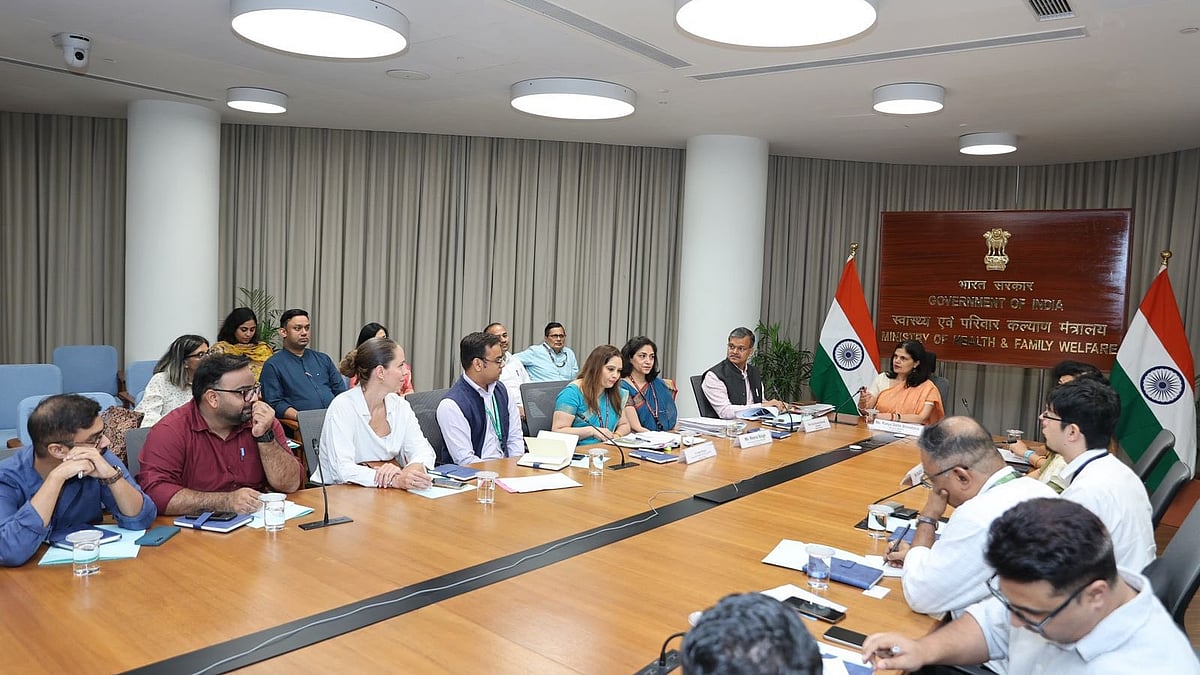
According to Hindustan Times, the Union Health Ministry amended the Drugs Rules, 1945, specifically omitting the word “syrup” from Schedule K, which previously allowed certain exemptions for the sale of these medicines. The amendment, notified through the Drugs (Fifth Amendment) Rules, 2026, brings all syrup-based formulations, including cough syrups, under stricter regulatory oversight.
As reported by Deccan Herald, the change was prompted by incidents of child deaths in Madhya Pradesh and Rajasthan, where contaminated cough syrups were linked to organ failure and fatalities. The Health Ministry’s notification removes the exemption that previously allowed over-the-counter sales, making a doctor’s prescription mandatory for all syrup-based medicines.
As highlighted by Financial Express, the new rules apply to all oral liquid medications classified as syrups, not just cough syrups. The notification does not specify particular brands or formulas, instead instituting an umbrella change affecting a wide range of products. Solid alternatives, such as tablets and lozenges, remain available without prescription.
The amendment follows a draft notification issued in December 2025, during which stakeholders were invited to submit objections or suggestions. Official sources confirmed that public comments were considered before finalising the amendment, which was then published in the official gazette and came into force immediately.
“Manufacturers, distributors and retailers dealing with cough syrups are advised to ensure strict adherence to the applicable licensing and regulatory requirements under the Drugs and Cosmetics Act, 1940 and the Drugs Rules, 1945,” the Health Ministry stated.
Recent years have seen increased regulatory scrutiny of cough syrups and other liquid oral formulations after reports of contamination-linked deaths of children in India and several other countries. Coverage revealed that the move was partly in response to incidents such as the deaths of at least 22 children in Madhya Pradesh’s Chhindwara district, where laboratory tests found diethylene glycol (DEG) contamination far above permissible limits.
In the past, Indian-manufactured cough syrups have also been linked to child deaths in The Gambia, Uzbekistan, and Cameroon. Analysis showed that the Central Drugs Standard Control Organisation (CDSCO) had been considering measures to curb regulatory lapses and strengthen oversight in the sector.
The National Formulary of India (NFI) 2026 had previously recommended that cough or cold medications should not be prescribed or distributed for children under two years of age. As details emerged, the government’s decision is expected to enhance traceability and regulatory supervision of syrup-based medicines, ensuring compliance with stricter licensing and quality-control requirements.
“The measure is expected to promote responsible distribution and sale of cough syrups while ensuring greater compliance with regulatory standards across the country,” the Health Ministry said.
With the new rules in effect, individuals seeking cough syrups must now obtain a prescription from a registered medical practitioner. Reporting indicated that the change aims to prevent misuse and reduce the risk of contamination-related incidents, particularly among vulnerable populations such as children.
Note: This article is produced using AI-assisted tools and is based on publicly available information. It has been reviewed by The Quint's editorial team before publishing.