CJP Flags ‘Neglected’ Rajasthan Tribal Schools, Demands Water, Classrooms
CJP urges urgent government action on neglected tribal schools in Rajasthan.
advertisement
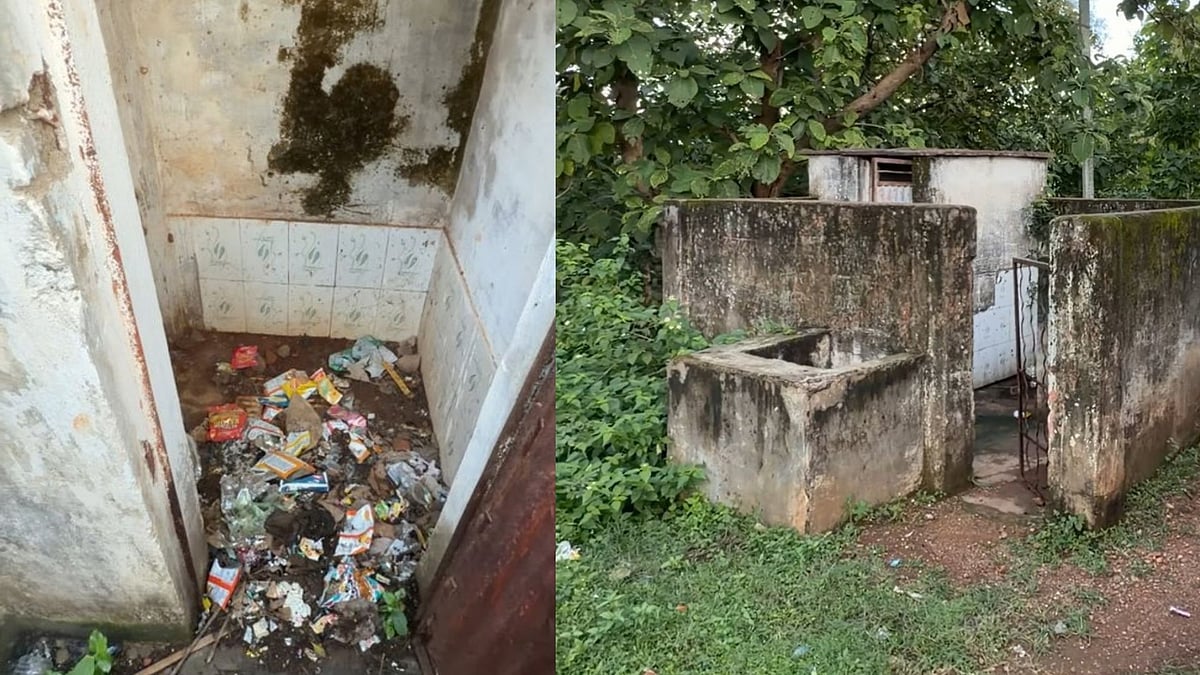
A team from the Cockroach Janta Party (CJP) visited several tribal villages in Rajasthan’s Kherwara Assembly constituency to inspect government schools. The team found that many schools lacked basic infrastructure, including drinking water and adequate classrooms. In some locations, land had been allocated for schools, but no buildings had been constructed. Residents reported pooling their own resources to address essential needs and improve school facilities.
According to The Indian Express, the CJP’s inspection revealed that operational schools in Demat, Pongli, and Babari villages had only one teacher for dozens of students, with classrooms in a dilapidated state. In Demat, the primary school had just one teacher for 70 students and two classrooms in poor condition. The anganwadi room was reportedly at risk of collapse, and the school’s building had not seen any recent repairs or maintenance.
During the visit, local residents expressed frustration over the lack of government support. Coverage revealed that villagers have been contributing their own money to fund repairs and provide basic amenities, such as drinking water and functional toilets, which are otherwise absent in the schools.
The CJP, in collaboration with the Adivasi Ekta Parishad, raised concerns about the alleged lapse of approximately Rs 1,500 crore from the Tribal Area Development (TAD) budget. Reporting indicated that the party demanded transparency from the government regarding the allocation and utilisation of these funds, which are intended for tribal welfare and education.
"Why is the government not explaining how the massive Rs 1,500 crore budget allocated for Tribal Area Development is lapsing? Why is this budget not being utilised for the welfare of tribal people and the education of their children?" a CJP representative asked.
The CJP’s demands included immediate construction of school buildings on vacant plots, provision of essential amenities, and full utilisation of the TAD budget. Further details showed that the party also highlighted the use of anganwadi classrooms for regular school teaching due to the lack of proper infrastructure.
As highlighted by The Hindu, weather conditions in Rajasthan are expected to remain dry, which could impact water availability in these tribal areas. The lack of rainfall may further exacerbate the water scarcity already reported in the schools inspected by the CJP team.
In addition to infrastructure concerns, analysis showed that sanitation issues near schools can significantly affect the learning environment, as seen in other regions where waste dumping near educational institutions has led to discomfort for students and staff.
"Neglect of education and basic facilities in tribal areas was a serious concern. We demand that the government take immediate steps to improve schools across the Kherwara constituency," a CJP representative stated.
The CJP’s ‘Adivasi School Thik Karo’ campaign is part of a broader initiative to document and address deficiencies in tribal schools across multiple states. Recent developments in other states have shown that community-led campaigns can prompt government action on educational and linguistic issues, highlighting the importance of sustained advocacy.
At the national level, recent coverage has emphasised the need for inclusive and well-resourced educational environments, with a focus on both infrastructure and curriculum improvements to ensure equitable access for all students.
Note: This article is produced using AI-assisted tools and is based on publicly available information. It has been reviewed by The Quint's editorial team before publishing.