‘MMS’ Labels, AI Clones: The Digital Afterlife of the Bihar Assault Video
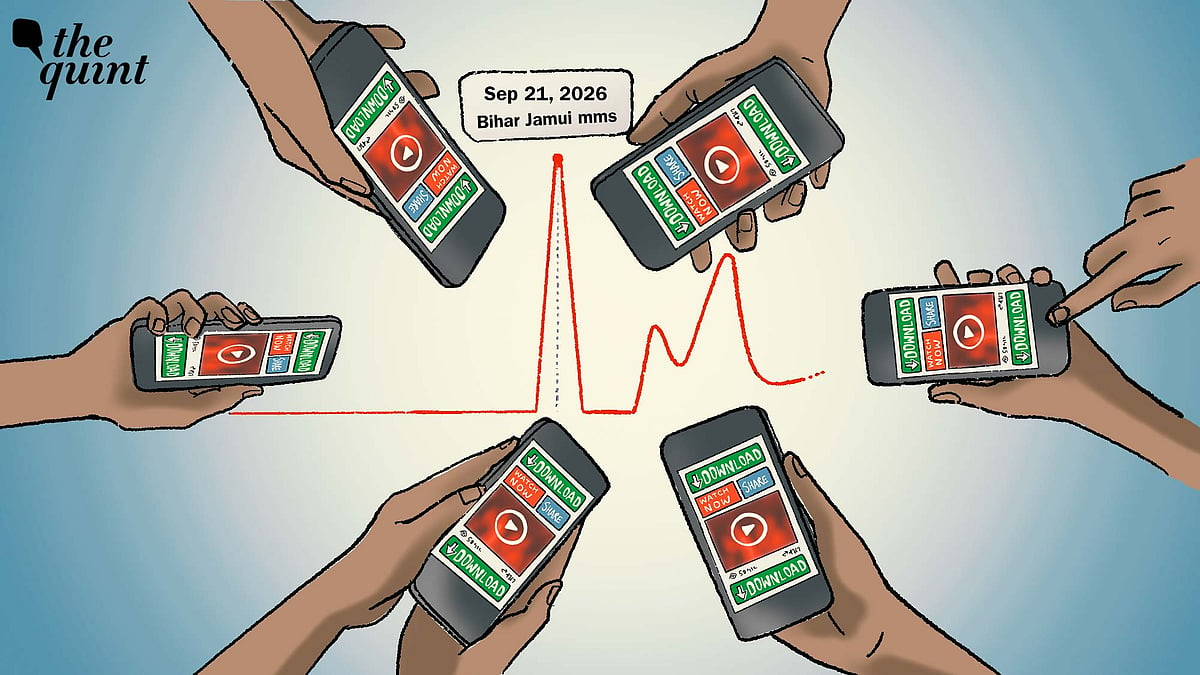
Every new copy creates another opportunity for the material to be viewed, downloaded, and circulated all over again.
advertisement
“WATCH AND DOWNLOAD NOW”
That was how a message posted on a Telegram channel earlier this week began, followed by two links directing users to download footage of the assault of two minors in Bihar’s Jamui. The channel's name explicitly brands the video as "MMS" content, and it has over 4,000 subscribers. The message was accompanied by an edited collage image of the incident.
By the time The Quint accessed the post, it had been viewed 4,800 times. And it wasn't the only one.
Screenshot from a Telegram channel
(Photo: Tanishka Sodhi/Telegram)
Under the Protection of Children from Sexual Offences (POCSO) Act, the circulation and possession of sexual-abuse material involving children can attract criminal liability. Even sharing the video to raise awareness about the assault does not exempt someone from liability. Bihar Police have registered an FIR against around 120 social media handles for circulating the video, which revealed the identity of the minors.
What happens when footage, particularly of minors, which has evidentiary value for an investigation, becomes material for public consumption?
From Evidence To ‘MMS’ Content
"For survivors, the video is a constant reminder of trauma that they went through," said Uma Subramanian, co-founder of Rati Foundation, which runs a dedicated hotline for reporting child sexual abuse material online and an online safety helpline for survivors of digital abuse.
The Quint found at least eight Telegram channels with names explicitly referring to the incident, including terms such as “MMS” and “kand”. Most carried the same message and the same video links, redirecting users to a third-party platform for downloading the footage. The channels had anywhere between four and 6,330 subscribers.
All eight channels were created years ago, suggesting that their names may have been changed to reference the Jamui incident. Messages posted immediately before and after the Jamui video were unrelated, covering subjects such as Bitcoin and Donald Trump.
One of the channels carrying the name and links related to the assault was also running an advertisement. According to Telegram, ads can be run by anyone on the platform. 50 percent of the revenue generated from Telegram Ads is shared with the owners of the channels where they are displayed.
We found at least eight Telegram channels with names explicitly referring to the Jamui assault
(Photo: Tanishka Sodhi/Telegram)
Searches for the video have also been fuelled. Google Trends data shows a sharp spike in searches related to the incident: searches for “Bihar Jamui viral video” rose by more than 5,000 percent compared with the previous week, with Google marking the query as a “Breakout” search.
(Photo: Tanishka Sodhi/Google Trends)
Searches for "Bihar Jamui MMS" showed a similar breakout—more than 5,000 percent higher than both the preceding week and the same period last year—led by Bihar, followed by Odisha, Madhya Pradesh, Rajasthan, and Gujarat. Related searches included "Bihar Jamui video" and "Bihar Jamui viral video."
Searches for "Bihar Jamui MMS" showed a breakout
(Photo: Tanishka Sodhi/Google Trends)
The searches came primarily from Bihar, followed by Odisha, Madhya Pradesh, Rajasthan, and Gujarat
(Photo: Tanishka Sodhi/Google Trends)
This is not an isolated phenomenon. Similar patterns of circulation and repackaging have emerged after other cases of sexual violence, such as the 2024 rape and murder of a doctor in Kolkata's RG Kar Medical College and Hospital.
The Quint also found dozens of AI-generated recreations of the assault circulating on Instagram. Some featured voiceovers, some had background music, some depicted the minors as animated or stylised characters. Almost all of them revealed identifying details and included the real video. One such video had drawn as many as 442,000 likes and 68,600 shares.
The Length and Breadth of a Viral Video
The original footage did, however, have evidentiary value for the investigation. The police identified the registration number of a vehicle visible in the video and used it to trace the two minors. The minors' parents also came to know about the incident after the videos circulated online, according to reports.
So while the video was helpful for investigation, every new copy creates another opportunity for the material to be viewed, downloaded, and circulated all over again.
Besides booking 120 people, Jamui SP Bishwajeet Dayal also appealed to the public to not share or circulate the video further, calling it a "serious offence"
Speaking to The Quint, he said, "Besides the cases already filed, we are constantly monitoring and adding names to the FIR as and when new accounts are being identified. We are also sending URL-based takedown notices under POCSO and the Juvenile Justice Acts to social media platforms."
India has a stringent legal framework governing this kind of content. The POCSO Act, 2012 criminalises using child sexual abuse material (CSAM) and covers production, distribution, and possession of such content.
Section 67B of the Information Technology Act, 2000, separately penalises the electronic publication or transmission of material depicting minors in sexually explicit acts. In 2024, the Supreme Court, in Just Rights for Children Alliance v S Harish, clarified that even viewing such material constitutes a punishable offence.
The Law and Takedown Black Hole
“When a video is flagged as CSAM, all platforms usually comply with the takedown quickly. CSAM is usually the first category of prohibited videos that all platforms comply with quickly,” said Prasanna S, an advocate and co-founder of Article 21 Trust, a digital rights organisation. “The purpose behind the sharing is immaterial, and it does not require much context. It is a straight violation. Anyone who comes across the video can flag it as abuse material; platforms review it and take it down. Sometimes law enforcement or a court has to intervene to take it down.”
Prasanna said platforms also use automatic detection systems to identify some such material.
Earlier this week, Google and Meta have said they will now report content flagged as child sexual abuse material directly to Indian authorities, breaking from the global practice of first routing such reports through non-profits.
Yet removing one copy does not necessarily mean removing the footage from the internet.
"From a survivor-centric lens, what is the survivor currently feeling when one million people have seen the video?" said Subramanian. "It is going to keep circulating. It is a complete violation of her dignity and rights. It is a reminder of the abuse and could aggravates her trauma every time it keeps circulating."
The Quint has reached out to Telegram with queries regarding the circulation of this video and the process regarding other CSAM content. This copy will be updated at a response.
If you or someone you know is being harassed or abused online, call or WhatsApp:
Meri Trustline
Number: 6363176363
Timings: Monday to Friday, 9 AM to 5 PM
Cyber Crime Helpline: 1930