
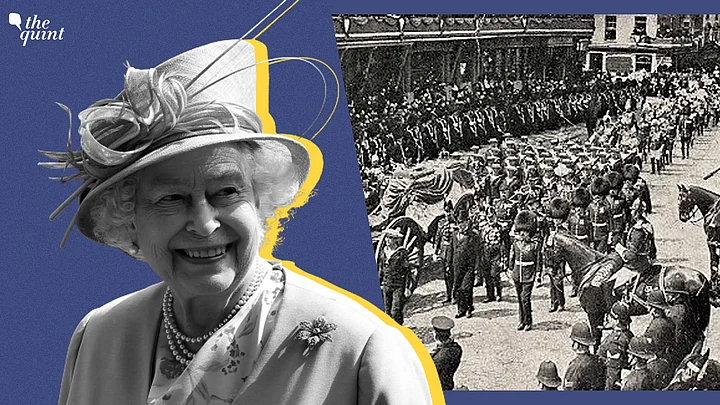
The death of Queen Elizabeth II, after a long 70-year reign as the British head of state, has been a humbling reminder that even monarchs are mortal.
But even though kings and queens die just like the rest of us, they don’t die *exactly* like the rest of us. The death of Queen Elizabeth II is both a private family event and a widely reported international public spectacle.
For decades, meticulous plans have been in place for what will happen upon the death of the British monarch. Called ‘Operation London Bridge’, these plans involve a series of protocols involving the public announcement of the queen’s death, a public period of mourning, the arrangements for her royal state funeral, and the management of crowds gathering in London to pay her tribute.
In 1953, Queen Elizabeth II was inaugurated at Westminster Abbey within a coronation ceremony that proclaimed her as anointed and crowned by God. According to reports about Operation London Bridge, the end of her reign is to be bookended by her funeral ceremony in the very same church. To monarchists in Britain, the death of the queen is not simply the death of an individual but the transition and transformation of a public, national institution.