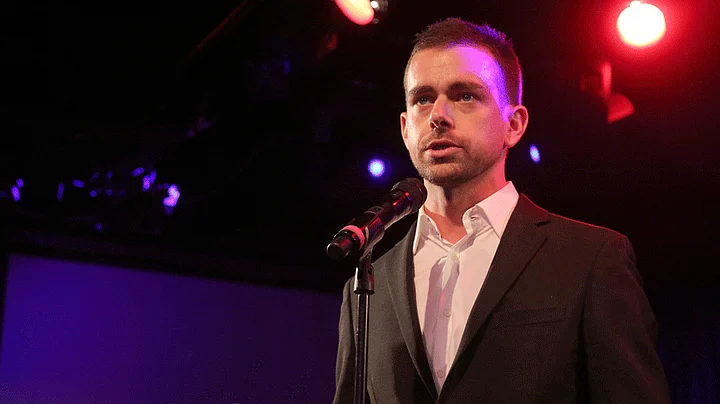
1. High Hopes from Jack Dorsey
Twitter named co-founder and interim Chief Executive Jack Dorsey as its permanent CEO, ending months of speculation about who would take the reins at the company. Twitter hopes that its once-spurned co-founder can hatch a plan to expand the short messaging service’s audience and end nearly a decade of financial losses.
2. Dorsey’s Second Stint as CEO
This marks Dorsey’s second stint as CEO since he helped start the San Francisco company more than nine years ago with Evan Williams, Biz Stone and Noah Glass. Some investors said Dorsey is a more effective leader now than in 2008, when the co-founder was fired from his first stint as Twitter CEO.
Twitter dumped Dorsey his first time around, but its board of directors now appears convinced he has the maturity to fix the problems that has caused the company’s stock to lose nearly half its value in the past five months.
3. Dorsey was not the First Choice
Twitter is believed to have considered its chief revenue officer, Adam Bain, and several other CEO candidates before settling on Dorsey. Dorsey, 38, has already had dress rehearsal for the job, having become Twitter’s interim CEO in July after former stand-up comedian and veteran entrepreneur Dick Costolo stepped down amid shareholder discontent.
4. Dorsey will run Both Twitter and Square
Dorsey will remain head of fast-growing mobile payments company Square, which he also co-founded, potentially setting up conflicts of interest.
Twitter had previously said the CEO job would be a full-time position, which seemed to exclude Dorsey if he continued to run Square. Some investors had expressed concerns about whether Dorsey could run both Twitter and Square, which is expected to go public later this year.
5. Dorsey Draws Parallels to Apple CEO Jobs
As CEO of two companies simultaneously, Dorsey can draw more parallels to Apple co-founder Steve Jobs – a comparison that Dorsey has never discouraged. After being ousted from Apple in the mid-1980s, Jobs came back as the company’s interim CEO in 1997 and then stayed on oversee the creation of the iPod, iPhone and iPad. While running Apple, Jobs also was CEO of computer animation pioneer Pixar until the company was sold to Disney in 2006.
The headquarters of Twitter and Square are within a block of each other, possibly making it easier for Dorsey to split his duties at the two companies.
6. Dorsey’s Biggest Challenge
Dorsey’s biggest challenge at Twitter will be finding a way to make the site easier to navigate and broaden its appeal beyond media junkies, athletes, celebrities and politicians.
The short messaging service has amassed more than 300 million users, but its growth has been slowing to the frustration of investors even as people spend more time online, particularly on their smartphones.
7. Dorsey Owns 3% Stake in Twitter
Facebook has hooked 1.5 billion people on its online social network and even its photo-sharing application, Instagram, has surpassed Twitter in size. Unlike Twitter, Facebook has been making money for years and its stock has more than doubled from its IPO price. In contrast, Twitter’s stock is barely above its IPO price of $26 nearly two years after its market debut.
Dorsey should be highly motivated, given he owns a 3 percent stake in Twitter currently worth about $600 million.
8. Lifting the 140-character Limit
Dorsey might attempt to draw more traffic to Twitter and engage more people by lifting the 140-character limit that he originally imposed on tweets so they would fit under the restrictions imposed at that time on phone texting. Since Dorsey became interim CEO, Twitter already has already tossed out the 140-character limit private messages sent through Twitter.
Increasing the length of tweets, though, might alienate some of Twitter’s most loyal and active users, who have embraced the 140-character limit as an exercise in eloquence.
Dorsey must ensure that Twitter’s steadily rising revenue begins to produce profits relatively soon. Although the company generated $938 million in revenue during the first half of this year, Twitter still lost $299 million. That raised Twitter’s total losses since its inception to $1.9 billion.
(With inputs from agencies)