
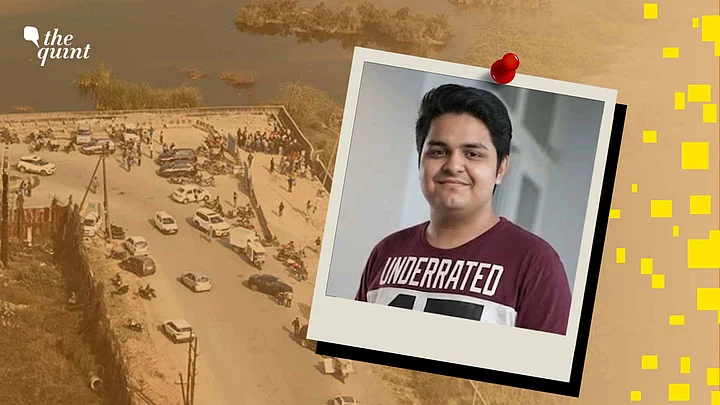
Yuvraj Mehta did not die because he was careless. He died because the city was. His father heard his son screaming for help for almost 90 minutes. His only child drowned in an open area that was meant to be part of the planned urban space and land that had been left exposed, waterlogged, and forgotten.
The facts are stark and deeply unsettling. There were no barricades. No warning signs. No physical barriers to prevent access. The danger was visible, persistent, and entirely preventable. And yet, it remained unattended. Indian cities are littered with such spaces: unfinished plots, leftover greens, retention areas, half-developed parcels stuck between approvals and handovers.
During monsoons, these spaces turn into invisible traps. Every year, children fall into open drains, construction pits, and water-filled depressions. Each time, the response follows a familiar script, a brief public outcry, assurances of inquiry, and then silence. What makes Yuvraj’s death especially disturbing is not only its cruelty, but its ordinariness. Nothing about the conditions that led to it was unusual.
That is precisely the problem.