
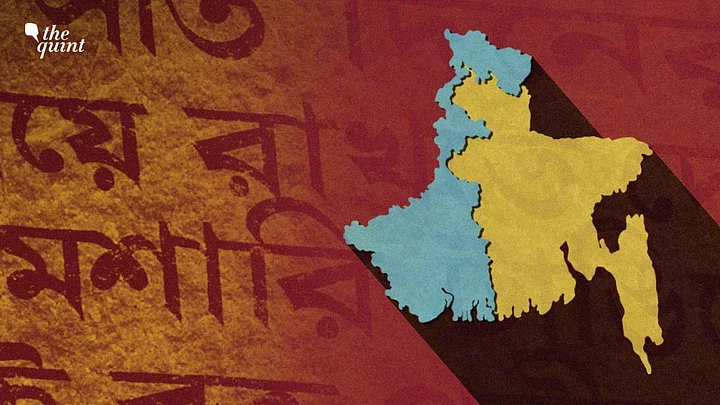
In July, multiple spokespersons of India’s ruling force, the Bharatiya Janata Party (BJP), defended the Delhi police action of describing Bengali as ‘Bangladeshi language’, triggering an uproar.
The Bengali-speaking people are India’s second-largest ethno-linguist group, with over 10 crore population spread mostly over the eastern and northeastern states. A larger population, of about 16 crore, live in Bangladesh. Referring to Bengali as ‘Bangladeshi national language’ in Delhi police’s official documents was an insult to Indian Bengalis, politicians, activists and cultural personalities from West Bengal, Assam and Tripura alleged.
By defending the Delhi police action, the BJP leaders, including the party’s information & technology helmsman-cum-Bengal unit co-incharge Amit Malviya and the Bengal unit president Samik Bhattacharya, proved they really want to portray the Bengali used in Bangladesh as a different language.
This might appear to be ignorance; but, in all likelihood, is deliberate omission of the fact that the spoken Bengali differs widely even within India, but the written language is the same across the border. There is a ‘standard Bengali’ followed everywhere.