
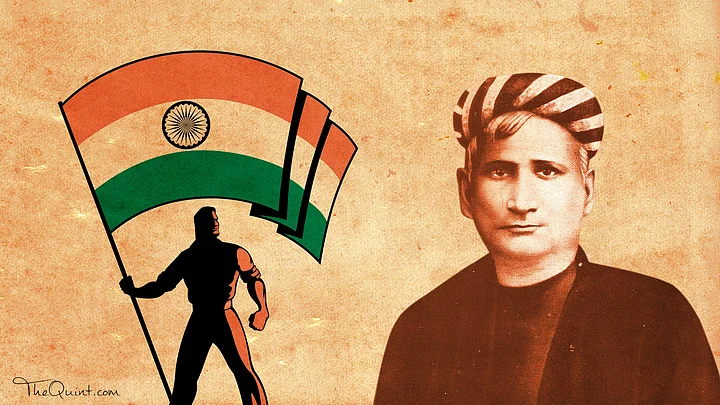
In December last year, Prime Minister Narendra Modi had declared in Parliament that a grave “injustice” had been meted out to Vande Mataram, India’s national song, by Jawaharlal Nehru and the Congress.
He said that Nehru and his cohorts had truncated Bankim Chandra Chattopadhyay’s patriotic poem, limiting its use to just two stanzas to appease Muslim leaders like Muhammad Ali Jinnah, and that that this was a betrayal of Vande Mataram’s glorious history and its storied role in the country’s freedom movement.
Last week, it came to light that the government has made up its mind to correct this so-called historical wrong. In an order dated 28 January, the Ministry of Home Affairs decreed that henceforth all six stanzas of Vande Mataram would be sung or played before the national anthem at official and ceremonial functions, and that it would be mandatory for everyone to stand while it is being performed. The order also directed schools to take steps to popularise its singing in full.