
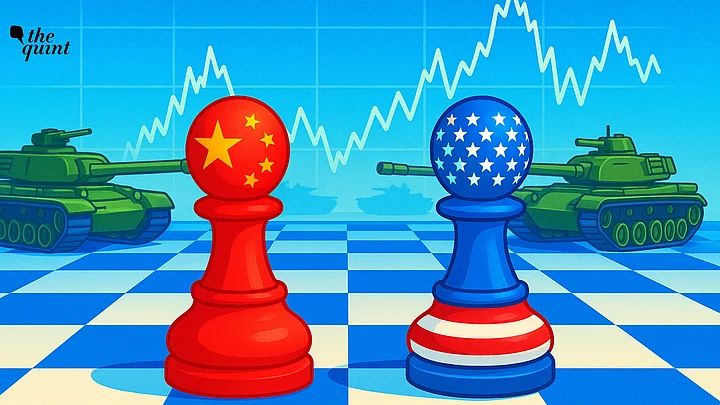
There is a high probability of a 'Financial World War' as tariffs significantly disrupt markets and supply chains on an unprecedented scale.
Amid the governing dynamics of changing turns in global political economy landscape, tariffs as trade tools have always been used as measures to achieve narrow economic or political interests.
From the tariff wars of the early 19th century to the retaliatory trade spins of the 20th century, lessons from economic history consistently caution that accentuated protectionism – even with the best of intention – rarely protects or achieves its intended goal.
What does happen though is a higher probabilistic scenario of a military conflict between countries when trade-anchored interdependence weakens.
As the Donald Trump administration’s tariff war continues to wreak havoc, and crash stock markets, its relationship with the one critical target of the induced trade conflict, China, offers a complex and complicated path ahead.