
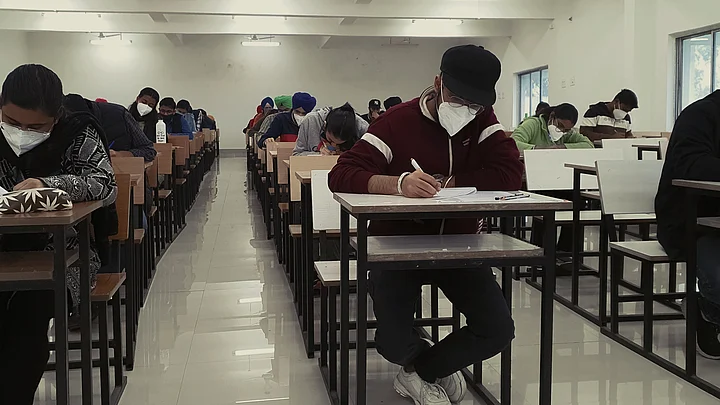
No one can deny that the caste system has penetrated so deeply into Indian society that it almost forms the foundation of the whole society. The role of caste politics is so much that its penetration is often invisiblized by the societal structures and the ones maintaining them. This post aims to shed light on one such caste-wrapped perspective of society towards the competitive exams, particularly emphasizing the much-esteemed Union Public Services Commission (UPSC) Civil Services Examination (CSE).
In light of the recently released UPSC results, this post throws light on the duality of caste in competitive exams. This duality is essentially the dual role of caste in such exams, which the daily media very much ignores. It is a common presumption that the role of caste in competitive exams is only limited to reservation or the process of completing the exam itself. However, it doesn't end there; any competitive exam creates a second identity for the appearing candidates based on their caste identity. I will try to illuminate this duality of caste throughout the post.