
The Indian Constitution guarantees a bundle of rights to its citizens, and in certain situations, even to foreigners. Part III of the Constitution outlines fundamental rights, which can be invoked only against state actions or authorities falling under the definition of 'state' under Article 12.
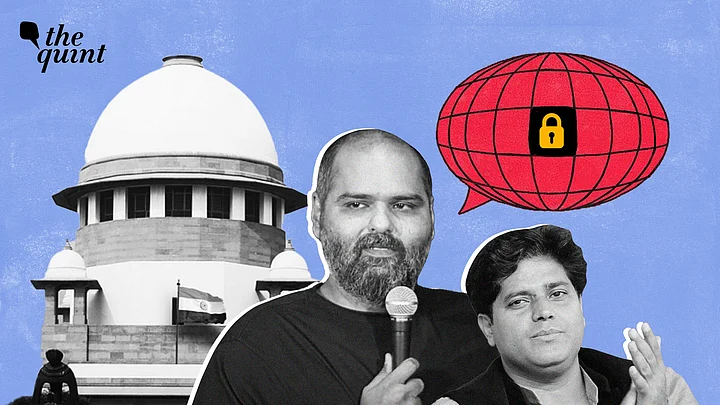
In a democracy that prides itself on Constitutional freedoms, the recent clashes between comedy, free speech, and legal scrutiny raise critical questions: Where do we draw the line between humour and offence? Between dissent and defamation? The Indian Constitution guarantees the right to free expression, yet, growing intolerance—both societal and institutional—threatens to stifle satire, art, and even casual critique.