
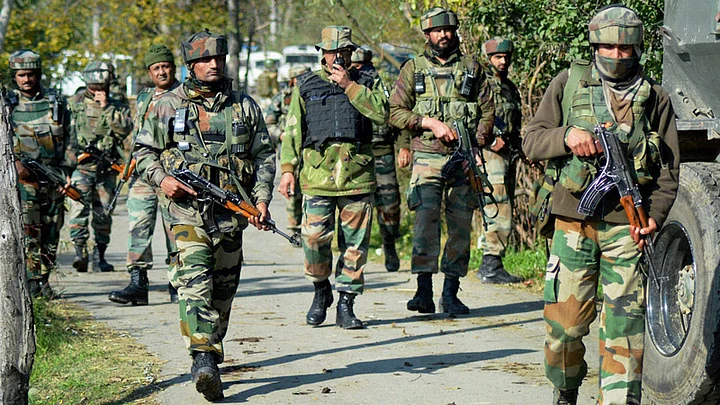
If a militant movement remains unchanged in ideology, content, tactics, leadership and outlook, it becomes jaded. Sooner than later it loses direction and motivation and is easy to defeat. In long drawn campaigns, militant movements make efforts to transform and reinvent to sustain energy, keep a perceived cause or ideology relevant among the populace and put pressure on the security forces which are usually in response mode. For the Army, it is equally pertinent to change with times, be the driver behind the change, not the one responding to it; that is an extremely tall order and needs a very close understanding of the environment.
Militancy and terrorism (terms used colloquially) in J&K have seen frequent changes over the last twenty five years. From a local, externally sponsored movement, it became a transnational one, absorbed Jihadi mercenaries and then got relegated to a Pakistani-led movement, with majority content from across the LoC. It spread across the Pir Panjal necessitating application of AFSPA (1990) to entire J&K. In 2008, it suddenly changed tack and adopted agitation as a mode to add legitimacy after terrorist leaders and numbers were effectively reduced by the Indian Army.