
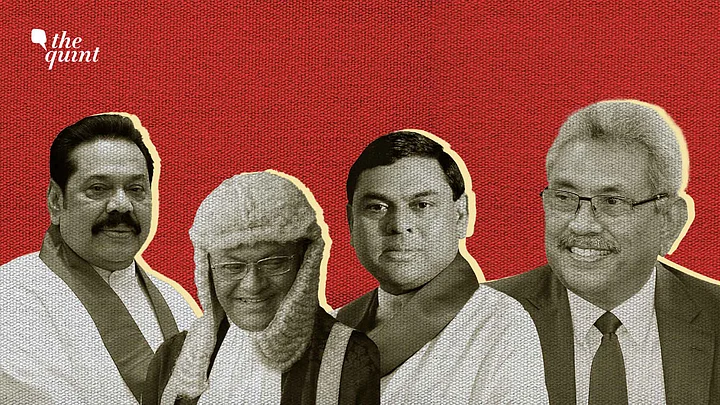
Political families are part of the public life of all South Asian countries. Some of them have dominated national politics either over long stretches of time or have exercised great influence in their respective countries. Of these families, the Nehru-Gandhi in India, the Bhutto-Zardari in Pakistan, the Bandaranaike in Sri Lanka, the Koirala in Nepal and Sheikh Mujibur Rehman in Bangladesh, come readily to mind.
The roots of the Nehru-Gandhi, Bhutto-Zardari and Bandaranaike families go back to the colonial period. The Koirala family was the leader of the struggle for democracy in Nepal, and Sheikh Mujib fought against Pakistani oppression and led the movement for the creation of Bangladesh. By the standards of these families, the Rajapaksas of Sri Lanka are ‘johnnies come lately’ – Mahinda Rajapaksa was appointed Prime Minister in 2004 and won the Presidential election only in 2005 – but they have taken to filling senior political posts with family members to the extreme levels, even in a country where family members holding high political offices at the same time has been the nature of politics.