
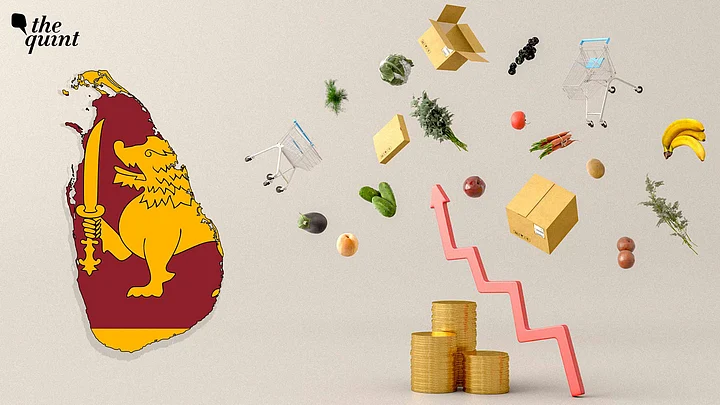
Yet another IPCC report is out that warns of dire consequences if the world doesn’t course-correct and pursue a low-carbon pathway. This means drastically cutting our dependence on fossil fuels, among a string of other hard-hitting measures. One country did try that by announcing a ban on chemical-based farming and its decision to go organic. But now, the world media is blaming it for an unprecedented economic crisis.
Yes, it is true that Sri Lanka is facing a massive shortage in essential goods and services and a plummeting economy. But to blame chemical-free farming for a food crisis not only shows a simplistic understanding of the concept itself, but also reinforces a narrative long promoted by the fossil fuel industry.
For too long, the fossil fuel industry has promoted the message that food can be grown at a mass scale only by pumping it with chemical fertilisers, weedicides and pesticides, and that there will be a large-scale food crisis if these inputs are stopped.