
Twenty-five years ago both Germany and India underwent deep transformation. Germany achieved unification following a 1990 popular uprising in East Germany that reverberated across East Europe, leading to a collapse of communist regimes and the breakup of the Soviet Union. In 1991 India underwent profound economic reform after a major crisis took the country to the brink of insolvency, forcing the newly elected minority government led by PV Narasimha Rao to do the unthinkable and begin to dismantle our state-control regime. Although the two events were unconnected, a parallel continues in that both countries are still working through the consequences – Germany in its place in Europe and the world, while India confronts an unfinished reform agenda.
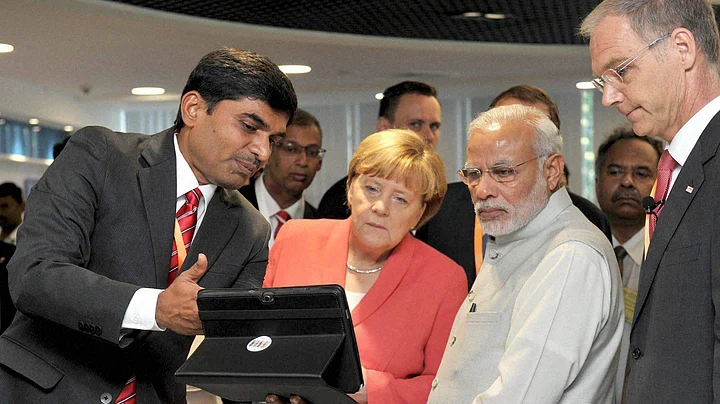
In 1993, a rare German foreign affairs document emerged after extensive national consultation; in the ‘Asia Concept Policy’ Chancellor Helmut Kohl’s government identified India as one of its ‘strategic partners’ in Asia – the first Western state to do so. In 2011, the current chancellor, Angela Merkel, took that forward by establishing with India a unique ‘intergovernmental consultation’ mechanism, under which the leaders of the two countries would join six cabinet ministers on each side to examine specific actions to deepen mutual engagement.