
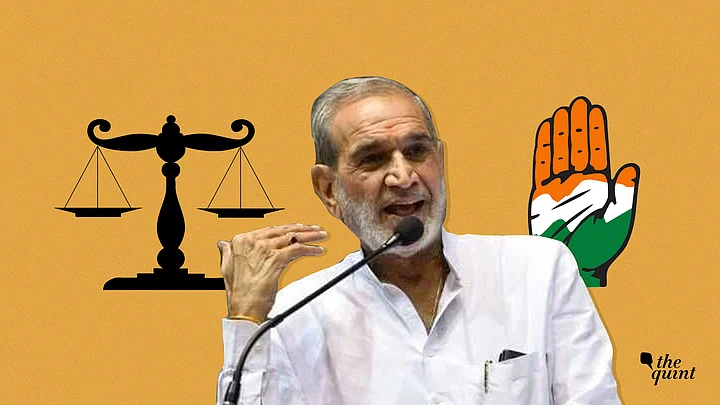
Sajjan Kumar’s death has once again brought focus on an issue that the Congress’ has never really been able to escape from: the events of 1984.
Sajjan Kumar was not just any former Congress politician. He died while serving a life sentence following his conviction by the Delhi High Court for his role in the 1984 anti-Sikh pogrom. The court’s judgment went beyond the individual case, describing the mass killings of Sikhs in Delhi and elsewhere as “crimes against humanity”.
The issue is no longer merely about Sajjan Kumar. It is about how the same man can inhabit two radically different memories. For some within the Congress, he was remembered as a former colleague or friend. For many Sikhs, however, his name is inseparable from the violence of 1984, the loss of loved ones and an agonisingly long wait for justice.