
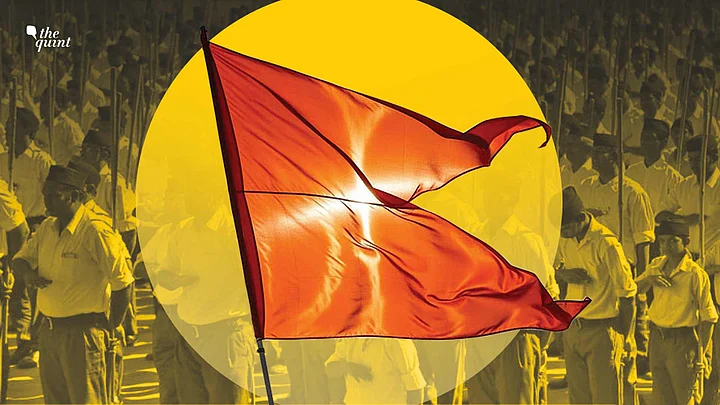
As the Rashtriya Swayamsevak Sangh (RSS) completes a century, public discussion often treats its longevity as proof of success. Media coverage emphasises expansion, presence across states, and proximity to political power. Yet, in a democracy, endurance alone reveals little about real influence or social acceptance. A clearer picture emerges when attention is paid to the resistance the RSS has faced across regions, social groups, institutions, and even within its own organisational structure.
This resistance exposes limits and tensions that narratives of uninterrupted growth tend to overlook.
Understanding the RSS’ impact requires examining not only where it has grown, but also where it has struggled. These include districts where shakhas stagnated or contracted, periods of declining participation, uneven generational renewal, and sustained pushback from universities, state institutions, civil society, and courts.
These structural dynamics complicate the idea of a uniformly advancing organisation.