
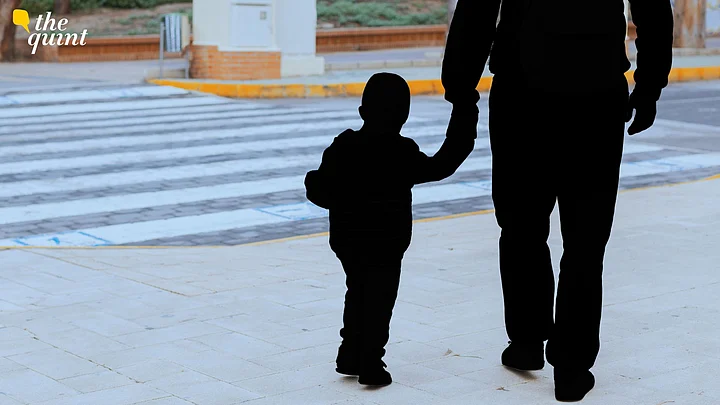
Most of us learn the city first on foot. We cross roads holding a parent's hand, slow down for an elderly person, and step off broken pavements that were never designed for us. This has become so routine that we no longer call it unsafe; we call it adjustment.
On 19 June, two days before Father’s Day, the Supreme Court delivered a judgment that refused to treat this adjustment as normal.
The case began with a father walking his five-year-old son to school. They were nearing the school gate when a tanker came from behind and struck the child. There was no footpath to protect him, and no pedestrian crossing to slow the road down for him. The child did not survive.
From that grief came a constitutional holding. In Maniyar Iliyaz v P Ayyappan, the apex court held that the right to walk safely is part of the freedom to move freely under Article 19, and part of the right to life under Article 21.