
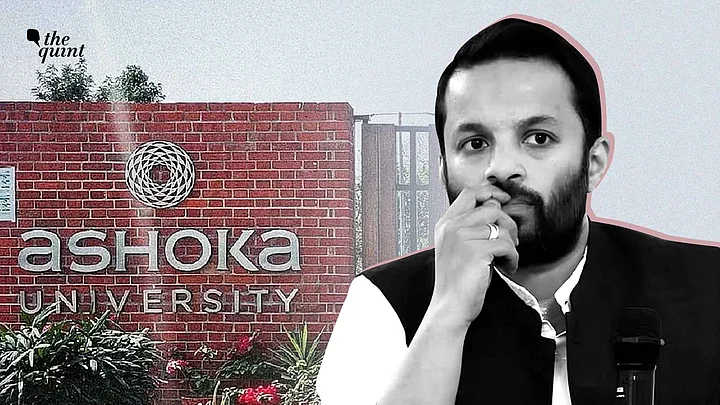
Wilhelm von Humboldt, a great liberal reformer and humanist, once defined the university as “nothing other than the spiritual life of those human beings who are moved by external leisure or internal pressures toward learning and research.”
Even if a university didn’t exist, Humboldt believed a human being would otherwise “privately reflect and collect, another might join with men of his own age, a third might find a circle of disciples. Such is the picture to which the state must remain faithful if it wishes to give an institutional form to such indefinite and rather accidental human operations.”
This classic Humboldtian assertion on what a ‘university’ may symbolise or ought to actualise for people of any given generation was later revisited by Noam Chomsky in a 1969 essay.
At a time of great uncertainty and crisis in America’s own educational milieu, student-led activism across campuses pushed most universities and the intellectual elite to reflect on their role and reimagine their existence in society, even in processes of institutional propriety. Not much changed since.
It seems today too, once again, universities and colleges across the globe, amid a lurch towards right-wing extremism and ideological, majoritarian state assertion—including in India—remain positioned at a critical juncture.