
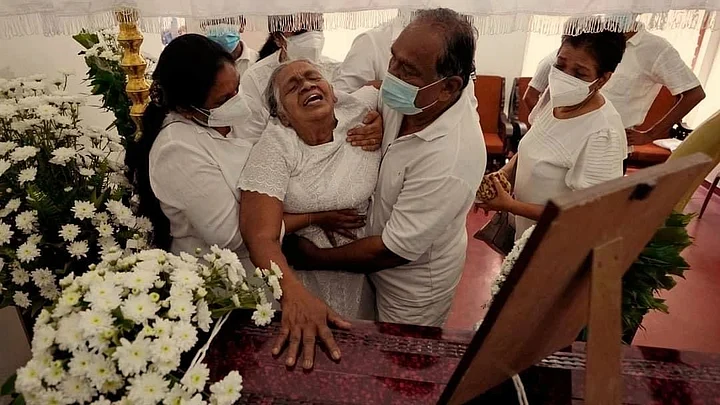
Priyantha Kumara, a Sri Lankan man working as a manager in Sialkot in Pakistan, was lynched by an angry mob on 3 December. Kumara’s corpse was set on fire on the road, where civilians recorded the bone-chilling tragedy and uploaded videos on social media.
The cold-blooded murder, which brought “shame” to the nation, has perhaps revived public discourse in the country. Generally, Pakistani media and civil society focus on two points: the rise of the Tehreek-e-Labbaik Pakistan (TLP) and the government’s inability to effectively contain their extremist ideology and repeal the blasphemy law. The problem with these recommendations is twofold. One, they ignore the historical roots of violence in the name of religion. Two, they also overlook how Islam relates to politics and modern ideas such as freedom of speech.