
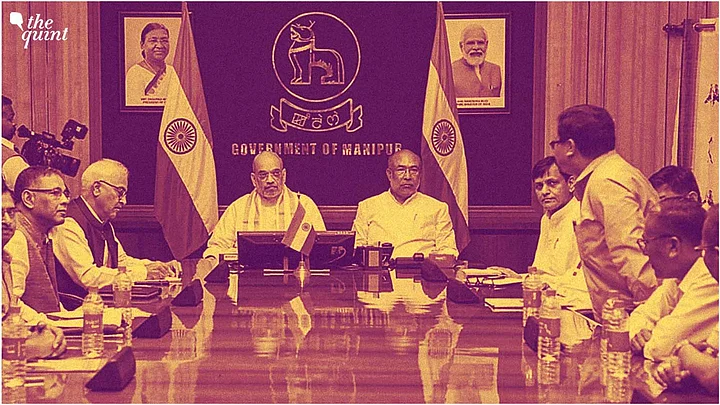
The 19-month ongoing civil war-like crisis in Manipur is not just a tragedy of ethnic conflict but a profound test of India's federal framework and its aspirations as a regional power.
The conflict, which has torn apart the state's communal bonds, exposes vulnerabilities in governance, trust, and national cohesion. Beyond its domestic implications, the unrest also poses a serious challenge to India's ability to project stability and influence in Southeast Asia and its aspiration to become a global leader.
As India strives for a leadership role in the Indo-Pacific through its Act East Policy and counterbalance China's growing influence in the region, the question arises:
Can a country dealing with such instability in the Southeast Asian corridor credibly position itself as a regional stabilising force?