
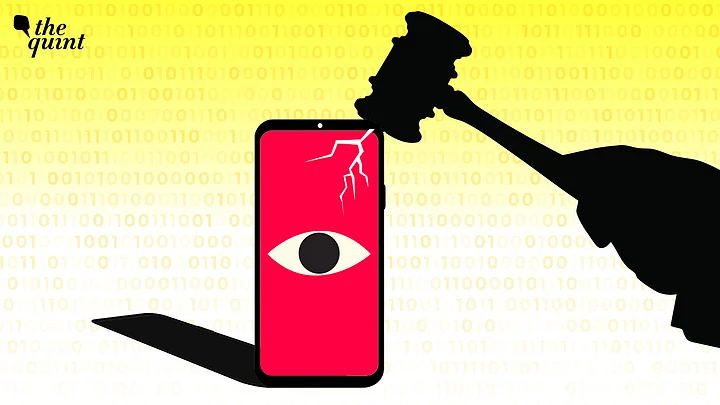
When the Madras High Court quashed the Union Home Ministry’s phone-tapping order in P Kishore vs Union of India last week, it did more than rescue one businessman’s privacy. It signalled that Indian judges are done indulging executive shortcuts.
The court bluntly said that phone-tapping “constitutes a violation of the right to privacy” unless justified by law, and threw the recordings out of evidence because there was neither a “public emergency” nor a threat to “public safety” to justify the snooping order.