
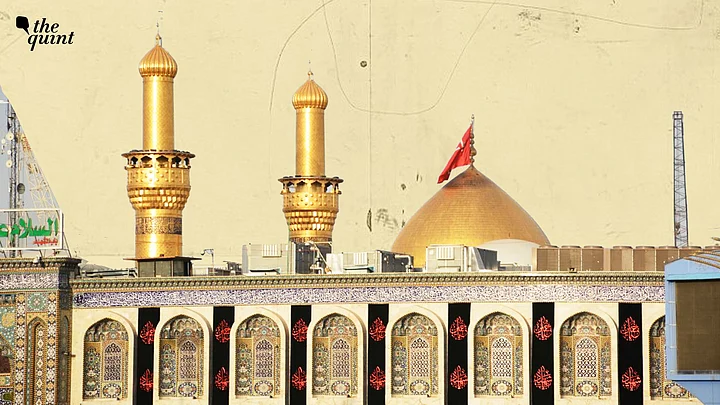
Few events in religious history have shaped collective memory as profoundly as the Battle of Karbala fought in 680 CE. What was, in purely military terms, a brief and unequal confrontation on the plains of Iraq, became one of the most powerful moral narratives in world history. The martyrdom of Imam Hussain—grandson of the Prophet Muhammad—at the hands of the forces of the Umayyad ruler Yazid I transformed a political dispute into an enduring symbol of resistance against injustice.
For Shia Muslims, who form the majority in Iran, Karbala is not simply an episode in early Islamic history; it is the emotional and spiritual axis around which their identity revolves.
Hussain’s refusal to pledge allegiance to Yazid, whom he regarded as an illegitimate and unjust ruler, established a powerful ethical principle: dignity and truth must prevail over expediency and submission. Though Hussain and his small band of companions—traditionally seventy-two in number—were overwhelmed and killed, their sacrifice reshaped the moral imagination of the Muslim world.