
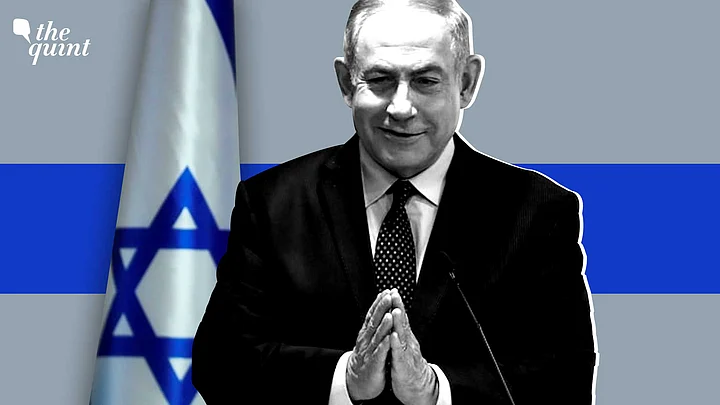
The deadlock in government formation in Israel is unlikely to be resolved soon.
While Benjamin Netanyahu has lost his parliamentary majority (winning 53 seats out of a total of 120), the Opposition alliance led by former army chief Gadi Eisenkot (48 seats) is yet to demonstrate its ability to cobble together a majority. A clear majority requires 61 seats.
The coalition of Arab-led parties scored an unprecedented 19-seat victory. However, the Jewish parties are reluctant as of now to seek their help to form a government, with both Netanyahu and Eisenkot having aggressively ruled out such a prospect during their campaigns.
After the election results, Eisenkot has set out four conditions for the Arab-led parties to join his government, which they would find difficult to meet. They are:
The recognition of Israel as a Jewish, democratic, liberal, and egalitarian state
Accepting the principles of Israel’s Declaration of Independence
Accepting compulsory military service
Recognising Hamas as terrorist organisation and support dismantling of its capacity to govern in Gaza.
Eisenkot is using these conditions to both to test the Arab parties and to define his potential government ideologically. He wants their parliamentary cooperation based on these conditions (i.e. not with each party joining his Cabinet), while assuring his Jewish supporters that his government will essentially remain a Zionist security state.