
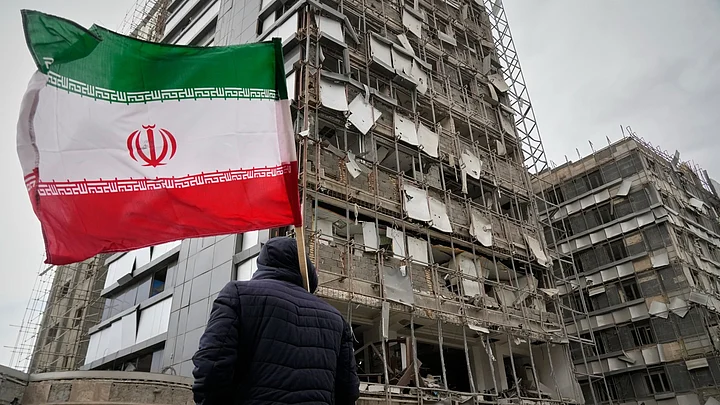
Less than a month after a ceasefire was signed between the US and Iran, conflict has returned to the Middle East. The peace agreement Donald Trump signed at the palace of Versailles in France on June 18 — which he hailed as Iran’s “unconditional surrender” — is now, in the US president’s own words, “over”.
I recently argued that the memorandum of understanding (MoU) between Washington and Tehran was best understood not as a peace agreement but as a “deferred crisis” — a ceasefire with a built-in detonator. That detonator has now gone off.
Trump’s declaration that further talks with Tehran are “a waste of time”, which he made on the sidelines of the Nato summit in Ankara, Turkey, on July 8, follows an escalation spiral that will feel grimly familiar to anyone following this conflict.
Iran attacked three commercial vessels in the Strait of Hormuz on Tuesday. The US responded with what one unnamed US official described as “punishment” strikes on more than 80 Iranian targets and reimposed sanctions on Iranian oil sales — stripping away Tehran’s central gain from the deal.
Iran, in turn, launched retaliatory strikes on US military installations in Bahrain and Kuwait. Oil prices have surged, reviving the very economic pressure – rising prices at the American gas pump — that dragged Trump to the negotiating table in June.