
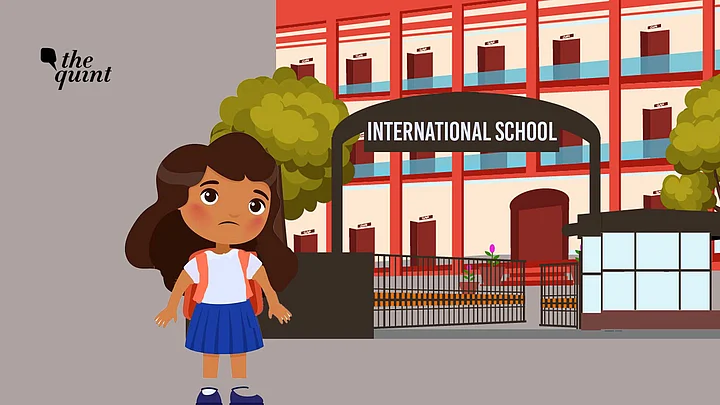
International schools are institutions that teach a syllabus that is different from that what is the local national curriculum of the country of its residence. Originating sometime in the 19th century, they cater to students who are not citizens of the host country, such as children of diplomats, employees of international organisations. As globalisation sets the tone for the 21st century, there is a rise in the prevalence of international school education. The IASL’s checklist for international schools include:
- it having a multinational and multilingual student body
- it administering an international curriculum
- there existing a multinational teacher population
- English being the language of instruction
As demographics change, we begin to question the strength of the characteristics set out for international schools: what are they doing to address past hegemonic structures that existed?