
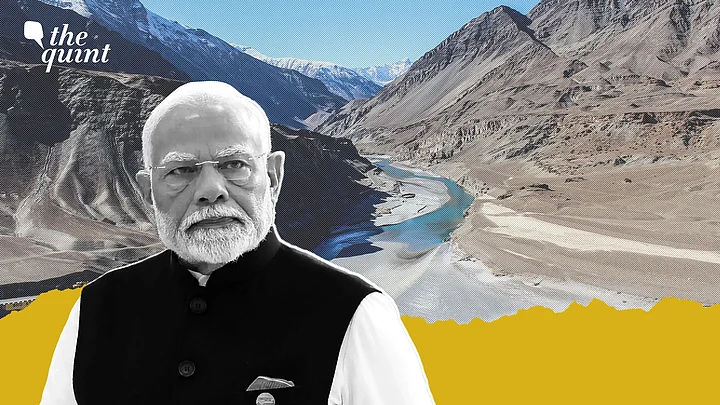
For decades, India has tolerated Pakistan’s double game: talking peace while exporting terror. But the massacre of tourists in Pahalgam on 22 April 2025 wasn’t just another act of terrorism — it seems to have been the final straw. This time, New Delhi’s response was different. Its suspension of the Indus Waters Treaty (IWT) marks a bold new chapter — one where India stops rewarding betrayal with immense patience, in the hope of a better future.
The IWT, signed on 19 Sept 1960, was often hailed as the world’s most successful water-sharing agreement, surviving wars and diplomatic ruptures. But it was built on a simple premise: good faith between two sovereign states. Pakistan shredded that assumption long ago by nurturing terrorist groups as instruments of state policy.
Continuing to honour the Treaty under these conditions would have been an act of self-delusion and destruction.