
“I know not whether the laws be right,
Or whether laws be wrong.
All that we know who lie in gaol
Is that the wall is strong.
And that each day is like a year,
A year whose days are long.” - Oscar Wilde
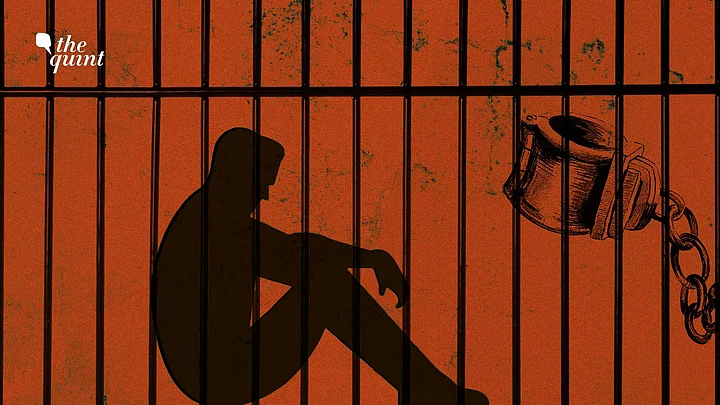
Prisons are known to have existed throughout history. Prisonisation personifies a system of punishment and serves as an institutional place for convicts and undertrials during the period of their trial. There is no society without crime and criminals; that is why prisons are indispensable for every country. And yet, "All prisoners shall be treated with the respect due to their inherent dignity and value as human beings," states the first of the Basic Principles of the Nelson Mandela Rules (the United Nations Standard Minimum Rules for the Treatment of Prisoners).
The prison system in India started in the year 1846 on the recommendations of the Macaulay Committee, to punish criminals and to create order and justice in society. Slowly and with passing decades, the number of inmates in the various prisons across the country grew. Also, with the evolution of the judicial system, the idea of the release of these reformed prisoners in society as a large came into play.
The dilemma faced by society and the administration was how to rehabilitate these ex-convicts and equip them with certain vocational skills to prevent them from going back to a life of lawlessness or crime.