
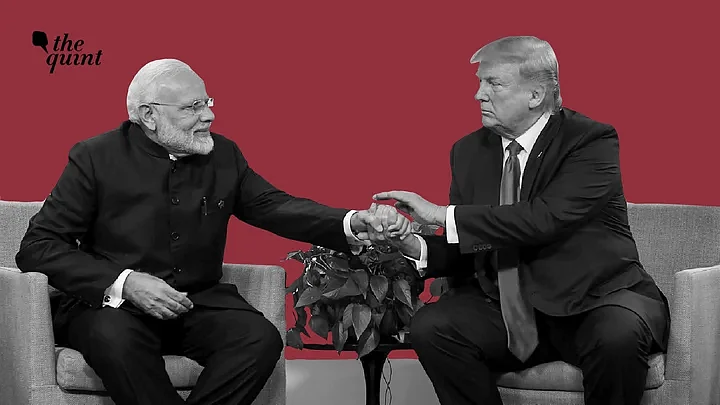
After prolonged brinkmanship and diplomatic posturing, the much-anticipated India–US trade deal remains elusive. Despite visible geo-strategic alignment at the macro level, the supposed milestone increasingly resembles a mirage.
The reasons lie not just in contentious issues but in the deeper micro-level trade-offs—marked by asymmetrical power dynamics, divergent national compulsions, and contrasting developmental trajectories—that demand realism, not idealism.
Trade agreements grounded in trust, transparency, and reciprocity are sustainable. Without these, they become transient—what Kautilya termed vyasanasandhi, or a ‘treaty of convenience’.
The current India–US negotiations risk becoming such a tactical arrangement, shaped more by short-term compulsions than enduring consensus.