
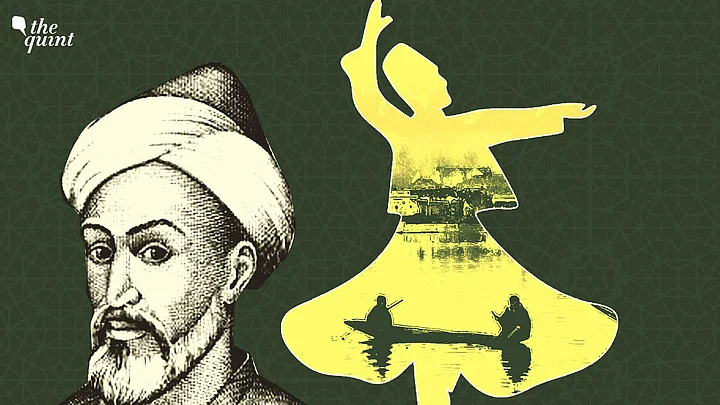
On 29 April, a week after the cold-blooded massacre of 26 tourists in Kashmir’s Baisaran Valley near Pahalgam, I stood in solemn reflection at the mausoleum of Hazrat Mir Saiyid Ali Hamadani in Kulob, Tajikistan.
Revered as the saint who brought Sufism to Kashmir, a visit to his resting place holds for a Kashmiri Muslim the same spiritual weight as a pilgrimage to Mecca.
Saiyid Ali, known in Kashmir as Shah-i-Hamadan (the Lord of Hamadan), was born in 1314 in the Persian town of Hamadan. He belonged to a noble family of Alawi Saiyids, claiming descent from the fourth Caliph, Ali.
As his father, a governor, took little interest in his education, his maternal uncle, a devout saint, took him under his wing. By age 12, Saiyid Ali had memorised the Quran and began his training in Sufism under a series of teachers.