
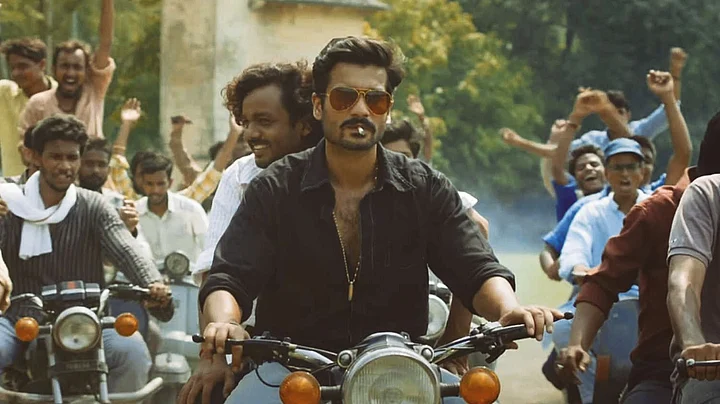
Much has been said about the latest movie Hurdang, which ventures into the ultra-sensitive issue of Mandal politics. While most of the online reviews quickly descend into a somewhat mendacious, unintellectual takedown of the movie (since the film, too, is a somewhat unsubtle and perhaps crude rejection of some of the issues that led to the Mandal model of affirmative action), unfortunately, what none of the articles or critiques have dared to attempt is a logical un-layering of the complex issue of caste-based reservations and the sociopolitical ramifications of it.
Whether the movie is cinematically good is a mundane question when the issue at hand is so complicated and yet so important. What Nikhil Bhat must be credited for is at least trying to venture into it. That any movie on affirmative action is bound to ruffle feathers of one polar opposite or the other is a given. But perhaps for a lot of writers, the real purpose behind such a movie might not be just to produce cinematic gold dust but also to trigger an intellectual debate on a topic that, in itself, has unfortunately come to be considered a somewhat ‘untouchable’ debate.
As anyone believing in even an iota of democracy would agree, the purpose of any kind of affirmative action wasn’t, certainly, to render topics beyond debate.