
Cinema has always been more than entertainment. In the right hands—or the wrong ones—it becomes a remarkably effective instrument for shaping how people see the world. Few regimes understood this better than Nazi Germany, where film was not merely an art form but a carefully calibrated tool of persuasion.
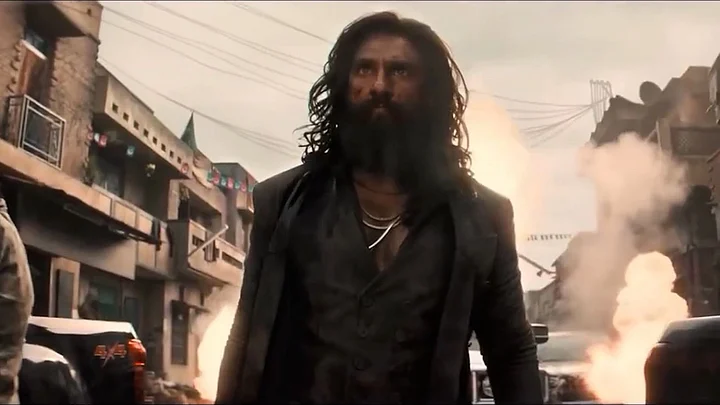
Nearly a century later, echoes of this strategy can be discerned in contemporary film industries, including segments of Bollywood, as suggested by the recent debate around blockbuster films like Dhurandhar: The Revenge.
I spent my teenage years in West Germany in the 1970s, a time when the country was still coming to terms with its past. The shadow of the Third Reich lingered everywhere—in classrooms, in conversations, in public life. What struck me even then was the honesty with which that past was confronted.
The government did not ban Nazi propaganda films; instead, it allowed them to be shown in controlled settings as a means of education. The idea was not to erase history, but to understand how it had unfolded.