
(The Quint has consistently been the leading news organisation breaking stories on communal violence and hate crimes and carrying out in-depth investigations on communal issues. These investigations involve a lot of work and often come at great personal risk to our reporters who are on the ground. We need your support as we continue to bring out more such investigations and voices from the ground. BECOME A MEMBER and support us!)
As Sikhs around the globe and in India are ready to commemorate Guru Tegh Bahadur’s 350th Martyrdom Anniversary, I remember the Salok from Guru Tegh Bahadur’s Baani:
"ਭੈ ਕਾਹੂ ਕਉ ਦੇਤ ਨਹਿ ਨਹਿ ਭੈ ਮਾਨਤ ਆਨ ॥"
(“One who does not frighten anyone, and who is not afraid of anyone else.”)
Its meaning in contemporary times, especially in the current political environment, is urgent. There is a strong need to understand Guru Tegh Bahadur and his supreme sacrifice for human rights, freedom of self-expression, and the right to practise one’s own religion.
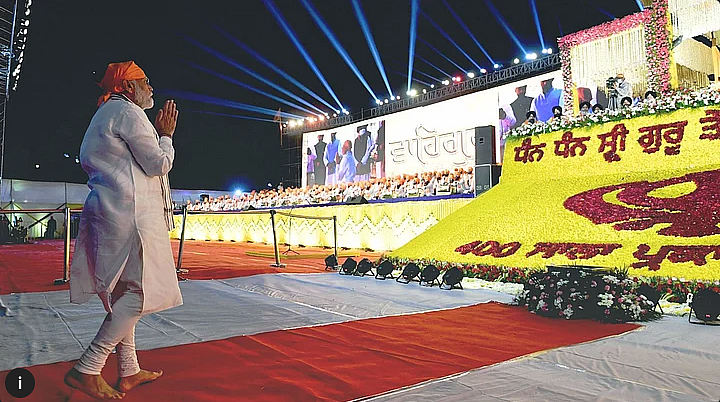
The Indian government and the Delhi government have started various programmes to commemorate this event. There is talk of renaming the Delhi Railway Station to Guru Tegh Bahadur Railway Station. There have also been suggestions to write Saloks on trains and at railway stations. The Delhi government is hosting a three-day Kirtan Darbar at the Red Fort, near Chandni Chowk, where Guru Tegh Bahadur was beheaded on the orders of Aurangzeb to protect the religious freedom of Kashmiri Pandits.