
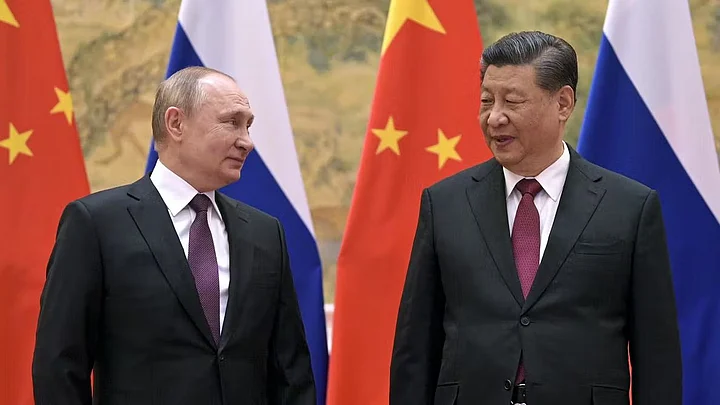
The summary of the deliberations at the just-concluded back-to-back summit meetings of the G7 and NATO in Germany and Spain, respectively, provides a comprehensive overview of the complex and seemingly intractable challenges confronting the global community, and of the adversarial geo-political groupings that are emerging in relation to the Russian invasion of Ukraine and other regional dissonances.
India was a special invitee (along with four other nations) at the G7 summit, and Prime Minister Narendra Modi joined the 11 other leaders in Germany. Collectively, the joint statements released at the summits have multi-layered relevance for Delhi, even while highlighting India’s status as a ‘significant variable’ in what is being described as a new ‘Cold War’ – but there are some significant caveats. Turkey’s adroit negotiations with the US and the EU in enabling the expansion of NATO may be the most significant strategic outcome of the current deliberations. Concurrently, this rapprochement between Washington and Istanbul has the potential to impact southern Asian regional developments and the orientation of the extended Islamic block of countries.