
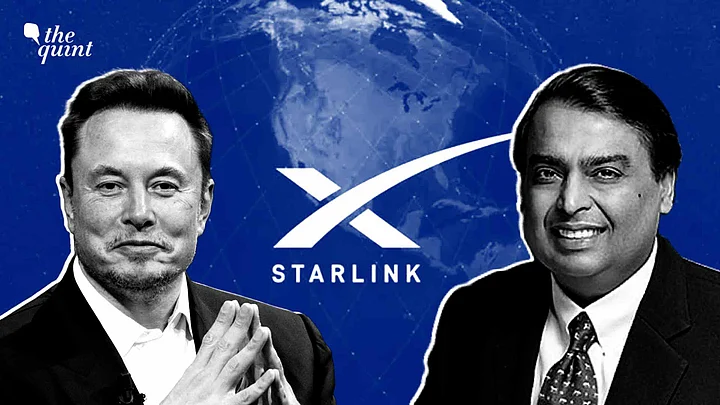
When a licence application stays in process for years, frustration is understandable, and so is the search for an explanation. Elon Musk has offered one. On Wednesday, 7 October, he blamed “certain oligarchs” for blocking Starlink. The next day he asked, “Is Ambani the real boss of India?”
On Friday, 9 October, he went further, addressing “Prime Minister Ambani” in a mock apology and asking whether India’s richest man would let Starlink compete.
The charge is serious: that a domestic rival is shaping the rules that govern its competitor. It deserves to be tested against the record rather than accepted or dismissed on reflex.
The government has responded firmly. The Ministry of Communications called the satcom (satellite communication) framework fair and non-discriminatory, described claims otherwise as baseless, and said all three applicants—Jio SES, Starlink, and OneWeb—and are at broadly the same regulatory stage.
A senior adviser in the Ministry of Information and Broadcasting added that neither Musk nor Starlink is entitled to preferential treatment. In his account, Starlink already holds its permit and space-regulator authorisation, and is waiting only for security clearance.
On that point the record supports the government. Starlink is not being denied a licence; it holds one.
The approvals it still awaits are ones its rivals are also waiting for. Whether the process is fast enough is a separate question, and a fair one.