
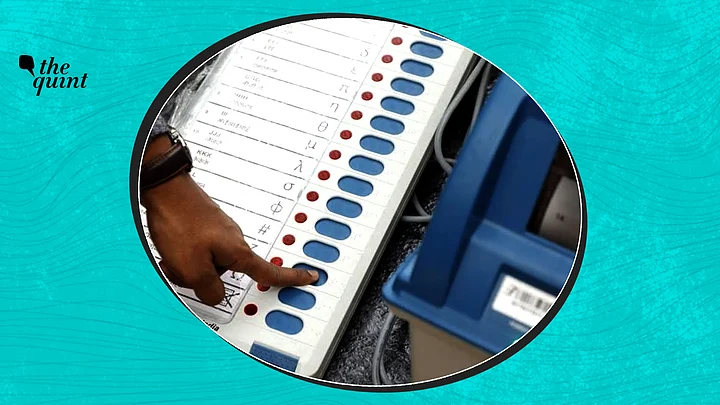
On 17 August 2025, the Election Commission of India (ECI) sought to defend its controversial decisions at a press conference: limiting the preservation of polling-day CCTV/webcast footage to 45 days and refusing to release machine-readable electoral rolls.
The Commission claimed that releasing such material would violate voters' privacy, particularly “mothers and sisters,” and warned of misuse if electoral rolls were made available in accessible formats.
These justifications may sound protective at the first glance. But when tested against the text of the Constitution, the Representation of the People Act, privacy jurisprudence, and the very logic of electoral transparency, they reveal a troubling attempt to use privacy as a shield for opacity.