
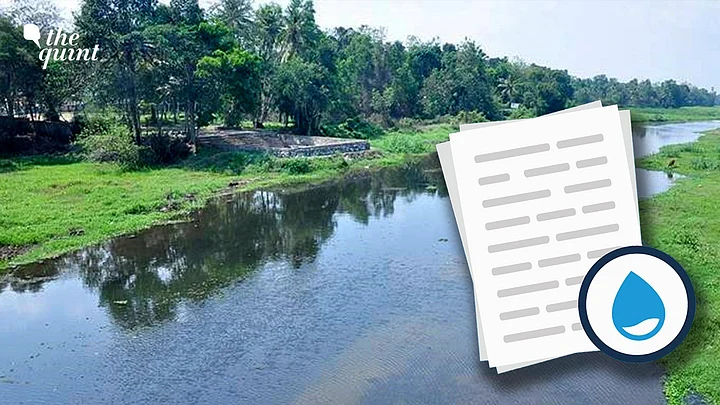
India, a country heavily dependent on its water resources for various sectors, including agriculture, industry, and domestic use, has recently undertaken a groundbreaking initiative to conduct the first-ever Census of Water Bodies.
Launched by the Ministry of Jal Shakti in convergence with the sixth Minor Irrigation Census, this comprehensive survey aims to develop a national database encompassing all water bodies nationwide. The census collects vital information on aspects such as size, condition, encroachments, use, storage capacity, and filling status of these water bodies.
The inaugural Census of Water Bodies has already yielded significant benefits, particularly in cost savings and efficiency. By merging the coverage area of the water bodies census and the Minor Irrigation Census in rural areas, there have been substantial savings in planning, training of field staff, security, data entry, and validation.
Notably, the water bodies census also includes urban areas, providing a holistic understanding of water body usage, including irrigation, industry, pisciculture, domestic/drinking water supply, recreation, religious purposes, and groundwater recharge.