
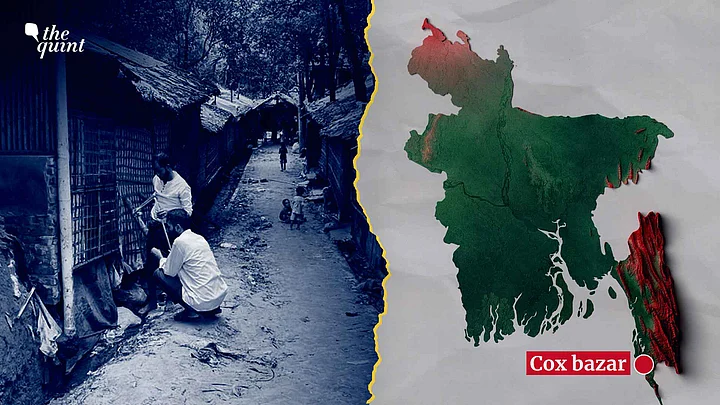
At first glance, Cox’s Bazar is stunning — hills rolling into the sea, skies stretching endlessly above the world’s longest beach. But tucked behind this deceptive beauty lies one of the most pressing human rights and climate emergencies of our time: the forgotten crisis of the Rohingya Muslims.
Walk through the camps, and you will find uniformity — not of peace, but of pain. Every shelter, every face, every gaze carries the same shadow of fear. Each family fled with stories identical in horror: homes torched, loved ones lost, and freedom ripped from their lives in Myanmar. But what the world seems to forget is that the persecution did not end at the border.
Cox’s Bazar was supposed to be a refuge. Instead, it became another open-air prison.