
India has a compelling case against Pakistan. Our neighbour has long made the export of anti-India terror an instrument of its state policy.
This case becomes even more irrefutable after the barbaric terrorist attack in Pahalgam, in which 26 innocent tourists were killed.
Pahalgam was only the latest in a series of such crimes committed both in Jammu and Kashmir, and in other parts of India, over the past many decades. The world needs to hear, and support, our case, because state sponsorship of terror is a blatant violation of international law and the basic norms of civilised conduct by nations.
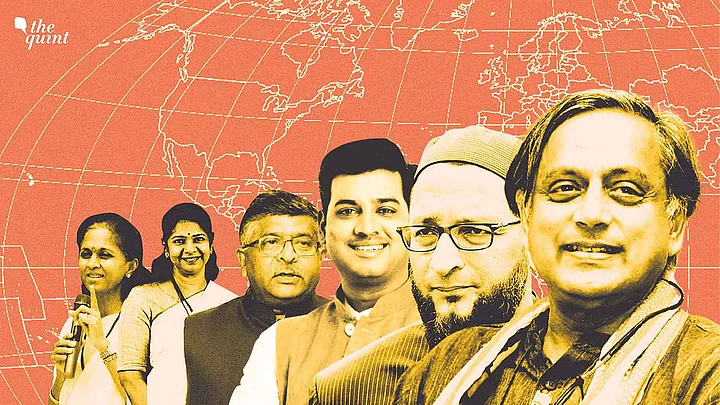
In this context, Prime Minister Narendra Modi’s decision to send seven delegations of Members of Parliament to various countries is a welcome move. The decision to include MPs from opposition political parties in these delegations is also commendable. It conveys to the international community a credible message about a broad democratic consensus on India’s case against Pakistan.
Domestically, too, the initiative has been received well so far. It reinforces an important tradition: that India always stands together in the face of an external threat. Such unity, however, should not preclude a healthy and vigorous debate on Pahalgam and its aftermath, when the matter comes up in the next session of Parliament.
As things stand, it appears that the government will be shielded from a good deal of criticism because several articulate opposition MPs─Shashi Tharoor, Asaduddin Owaisi, Manish Tewari and others─are part of the delegations touring the world.