
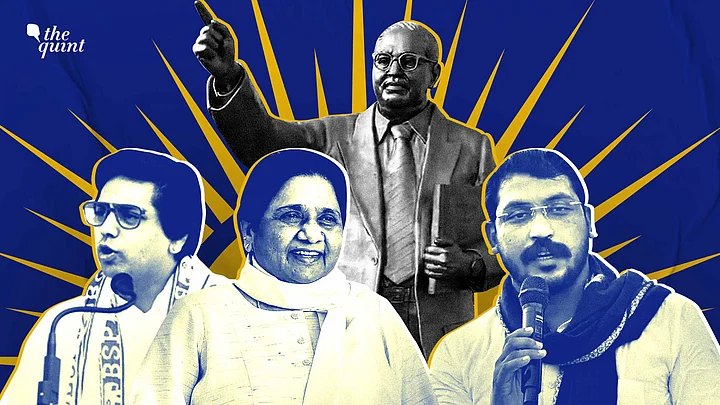
For many years, the Bahujan Samaj Party (BSP) has primarily been discussed in the media around three key points: can it revive the electoral fortunes it lost in 2012? What are its plans for forming an electoral alliance with opposition parties? And what role will Akash Anand play in steering a declining party that, in 2007, came to power independently in India's most populous state?
These discussions are typical in electoral politics and media, with political commentators, party supporters, and critics often engaging with these topics. Parties such as Rashtriya Janata Dal (RJD), Janata Dal (United) (JD(U)), Samajwadi Party (SP), Shiv Sena, Lok Janshakti Party (LJP), and Nationalist Congress Party (NCP) have also faced questions about succession, electoral alliances, and strategies for revival following recent defeats and internal divisions.
However, what is peculiar about the BSP in this case is that its predicaments and internal turmoil have been lingering for years now, with no satisfying response to even its cadres, supporters, and sympathisers.
When internal turmoil, indifference from the leadership, and confusion among supporters become symbolic of a party rather than its ability to win and revive, it inevitably impacts both its voter base and political workers.