
I was in the United Kingdom this month, and the trip coincided with Queen Elizabeth’s platinum jubilee celebrations (I had no clue of the celebrations before I landed in London). I extensively used the brilliant public transport of taxis, Uber boats, double-decker buses, subway, cycles, and flights to navigate across the UK seamlessly. I also got an opportunity to travel the brand new Elizabeth line, the brouhaha about which I had been hearing for a month. Only when I travelled the route did I understand its significance for Londoners, who were saved from having to change a couple of trains to reach their intended destination across London. Elizabeth line is a crossline service connecting London west to east. It was approved in 2007 and has taken 13 years in the making.
The Elizabeth line joins the London Underground system that was founded on 10 January 1863, covering a distance of 402 km with 11 operating lines accounting for 5 million passengers a day. The lifeline of the city, its citizens, and multinational tourists lie within the beating heart of the underground network, which reaches the farthest points of London in 90 minutes approximately. The underground network serves the cosmopolitan city of London with cross networks and overlapping lines, which makes the network such a pleasure to travel.
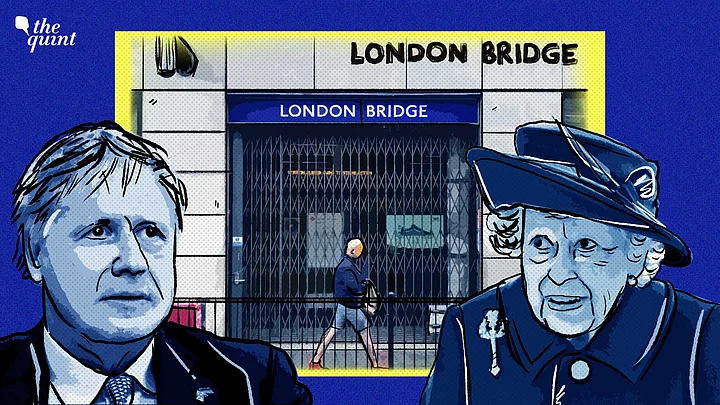
However, a strike called by the employee’s unions on the future of their jobs forced the entire south and central London underground stations to shut down on 7 June. Office-goer Richard Lawson is getting late for work, but he is forced to stand in a queue for a bus that plies at slow frequencies since the faster subway service is shut.