
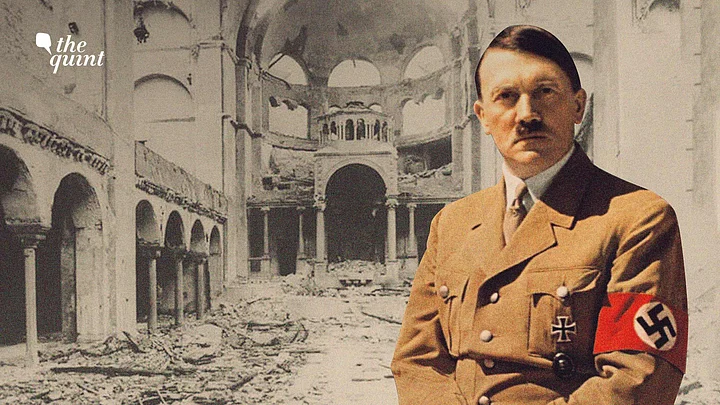
Post the First World War, Germany’s Weimar Republic (1919-1933) faced endless troubles. The burden of war reparations imposed by the Treaty of Versailles, economic instability, unemployment, hyperinflation, political unrest, and deepening social divisions weighed heavily on the populace.
Ordinary Germans found themselves adrift in a sea of turmoil, struggling to maintain their livelihoods, protect their families, and retain their faith in the promise of democracy. Exploiting the instability of the Weimar Republic, Adolf Hitler presented himself as a strong, decisive leader who could restore order and lead Germany’s economic revival and national renewal.