
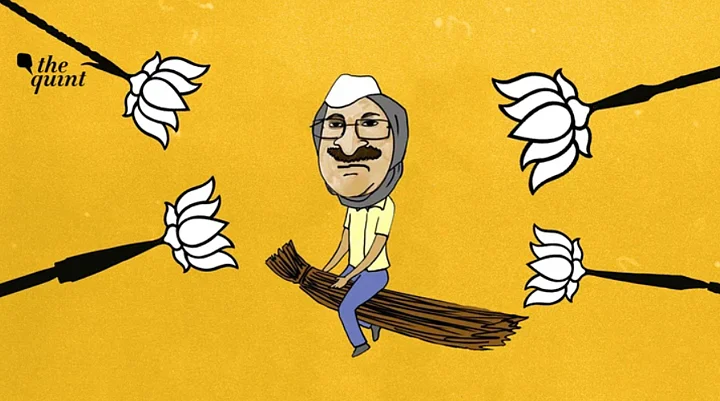
As Delhi gears up to vote on 5 February, the political stakes couldn’t be any higher for the incumbent Aam Aadmi Party (AAP) contesting against its principal rival – the Bharatiya Janata Party (BJP). For the AAP, this particular election is more than just another Assembly poll. With its leader, Arvind Kejriwal along with other key state party leaders battling alleged corruption charges, Kejriwal’s AAP is gambling its political legacy testing its popularity against a leaderless BJP (when viewed from Delhi’s electoral scene).
Amidst everything, some key questions loom large: Can the AAP’s model of empowerment based welfarism based on human capital development (improving upon on education, healthcare, and government-driven public services) compete against the BJP’s own brand of electoral welfarism based on entitlements?
Can Kejriwal defend his bastion one more time? Will the Congress –contesting against the AAP – split the popular vote and stage a Haryana 2.0 for AAP this time around? Or could this finally be the BJP’s moment to end a 27-year political drought in Delhi?