
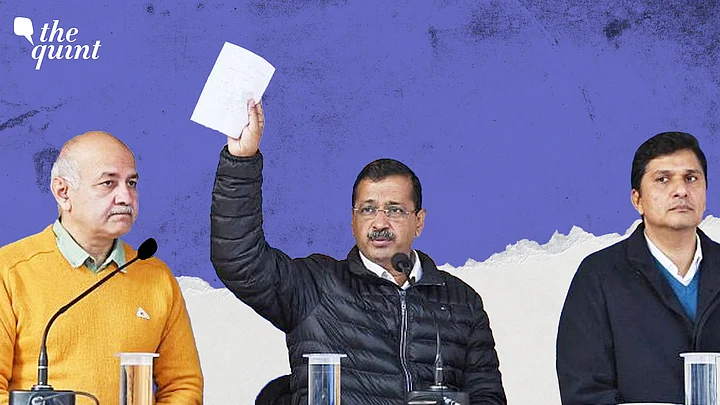
When the Aam Aadmi Party (AAP) swept Punjab in 2022, it was a triumph of Arvind Kejriwal’s vision—a grassroots rebellion against the old guard, promising clean governance and farmer-friendly reforms. Fast forward to March 2025, and the party’s Delhi fortress lies in ruins, toppled by a resurgent Bharatiya Janata Party (BJP) after a decade of AAP dominance.
The 8 February election results – 48 seats to the BJP, a mere 22 for the AAP – sent shockwaves through the party, with Kejriwal himself tasting defeat in New Delhi by over 4,000 votes to Parvesh Verma.
Manish Sisodia, his trusted deputy, fell in Jangpura by a razor-thin 675 votes, and Saurabh Bhardwaj lost Greater Kailash by 3,188. The verdict was a brutal rebuke, exposing cracks in the AAP’s once-invincible armour.
On 21 March, Kejriwal, still the party’s unyielding supremo, unveiled a high-stakes reshuffle: Sisodia, the education reform poster boy, was dispatched to steer Punjab, the AAP’s last bastion, while Bhardwaj, a seasoned loyalist, was tasked with resurrecting Delhi’s shattered unit.
This isn’t just a tactical pivot—it’s Kejriwal casting his shadow over two battlegrounds, testing his lieutenants’ mettle amid a storm of legal woes and political peril.