
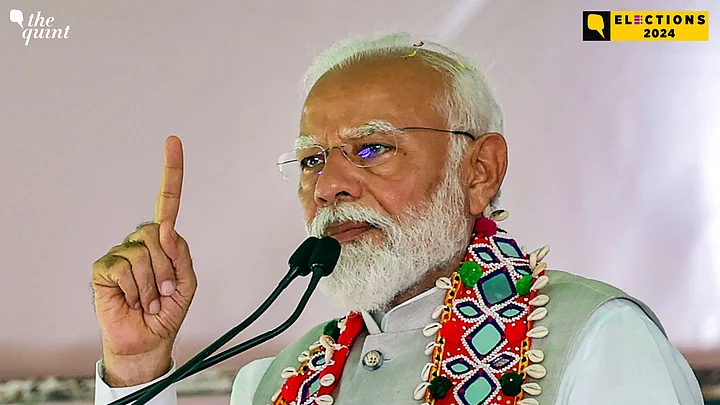
As India’s general election enters its second month, most conventional expectations have already been upended. Complacent pundits had long ago concluded that Prime Minister Narendra Modi and his Bharatiya Janata Party (BJP) would win comfortably. But two phases into the seven-phase election – with some 190 constituencies having already cast their votes – the situation no longer looks quite that simple.
India’s autonomous Election Commission prohibits the publication of any exit polls until all seven phases of voting have concluded. (That will happen on June 1, with the result announced on June 4). But unofficial readings of voter sentiment strongly indicate that things are not going the BJP’s way. The public, it seems, has simply not been given enough reason to vote for the party a third time.
Those who put Modi in office in 2014 hoping that he would fulfil his promise to spur job creation have no reason to vote for him again. Unemployment rose significantly under his leadership, and though it appears to have fallen more recently, there is good reason to believe that the real unemployment rate is much higher than official figures indicate.