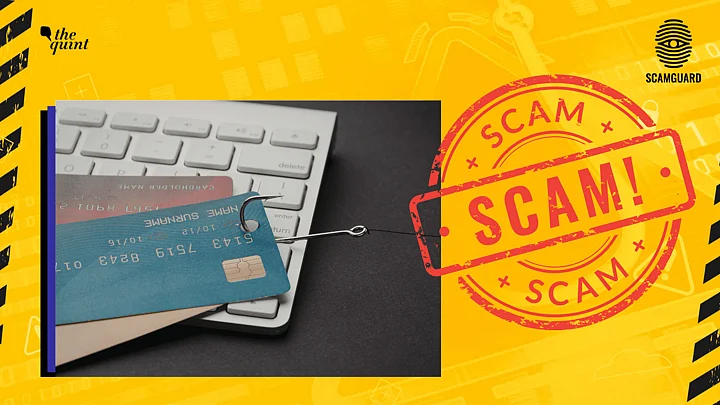
Notifications from banks and government agencies pop up brightly on your phones regularly, issuing warnings on how to protect your bank account(s) from the latest trickery in town. While you keep up with the latest frauds, scammers up their game with fresh ammo that catches their next victim off guard. A new scam targeting your credit card has emerged, in which scammers posing as bank officials gain your trust through a carefully crafted script. A generous offer, a small “upgrade” fee, and OTPs are all they need for a smooth exit with your savings.
In the section below, we explain how this scam operates, the warning signs to watch for, and how to respond to such calls.
Modus Operandi
The Setup: A scammer posing as your bank representative calls to offer a pre-approved limit increase on your credit card. They might call it a “festive” or “promotional” offer and charge a one-time processing fee. They also claim that they will waive your annual charges.
Building Trust: To appear legitimate, the scammer provides details such as the last four digits of your credit card and your most recent transactions.
Enter CVV: They ask you to dial your three-digit Card Verification Value (CVV) on your phone for “verification”.
OTP Trick: Next, they inform you that a One-Time Password (OTP) has been sent to your phone to confirm the upgrade. Claiming it is standard procedure, you are asked to read it aloud for them.
Uninitiated Transfers: The OTP lets them complete unauthorized transactions, such as online purchases or fund transfers.
Red Flags
Unsolicited calls from unknown or private phone numbers about a credit card limit increase, which you did not request.
Bank officials requesting OTPs and CVV, especially to increase your credit card limit.
Requesting a one-time fee to increase the limit.
Using high-pressure tactics, claiming it is a “one-day” or “limited-time” offer.
What To Do
Verify: Refuse to entertain such offers; it is best to contact your bank to verify them. You can also log into your NetBanking account or use the official app to confirm these deals and apply accordingly. You may also call customer care support using the numbers listed on the app or website.
Protect: Never share any OTPs or your banking card details with anyone.
Act Fast: If you’ve shared any such details, contact your bank immediately to block your card. Change your passwords and report the incident to your bank as a case of fraud.
Report: Highlight the incident promptly through the National Cyber Crime Reporting Portal (cybercrime.gov.in) or call their helpline at 1930. You can also file a complaint at your local police station. Ensure that you gather relevant evidence to support the investigation.
Share: Inform your circles and communities about the scam and ask them to be cautious of any such alerts.
The Quint's Scamguard initiative aims to keep up with emerging digital scams to help you stay informed and vigilant. If you've been scammed or successfully thwarted one, then tell us your story. Contact us via WhatsApp at +919540511818 or email us at myreport@thequint.com. You can also fill out the Google form and help us take your story forward.
(At The Quint, we question everything. Play an active role in shaping our journalism by becoming a member today.)